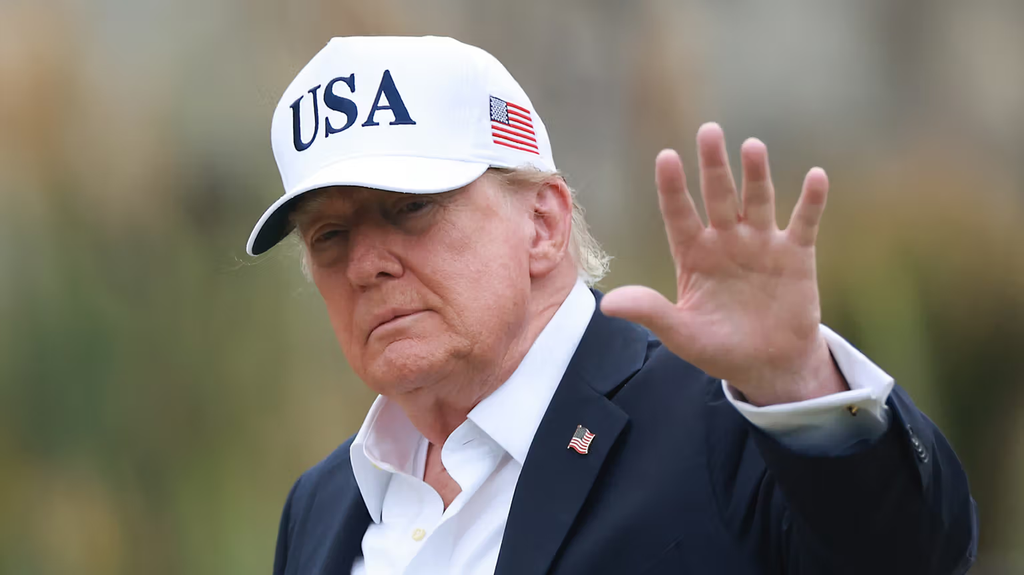
A growing number of Americans appear to be losing confidence in President Donald Trump, with recent polling figures pointing to deep concerns about his leadership, his personal business interests, and whether his administration is putting ordinary citizens first. As the November 2026 midterm elections approach, the political consequences could extend far beyond the White House.

What happens when a president who promised to put America first begins facing growing public skepticism about whose interests he is really serving?
That question is becoming increasingly important in the American political debate as several polling figures cited in recent reports suggest that President Donald Trump is struggling to maintain broad public approval during his second term.
For a president who returned to the White House promising economic strength, national renewal, and a government that would deliver results for ordinary Americans, the latest reported numbers present a serious political challenge.
According to the polling figures provided, Trump’s approval rating has fallen to levels that could make the final stretch before the 2026 midterm elections particularly difficult for Republicans.
But the numbers tell only part of the story.
Beneath the approval ratings lies a deeper question about public trust. Americans are not simply expressing dissatisfaction with a president’s policies. A substantial share of respondents in the surveys cited are also questioning whether Trump is placing his personal financial interests ahead of his responsibilities to the country.
That distinction matters.
Voters can disagree with a president’s decisions while still believing that he is acting in good faith. When doubts extend to ethics, financial interests, and the purpose of public service itself, the political damage can become much harder to reverse.
And with control of Congress at stake in November, these concerns could become a defining issue in the national conversation.
Trump’s Approval Rating Raises New Questions About His Political Standing
The first warning sign comes from the overall approval numbers.
According to the figures provided, The New York Times polling average placed Trump’s national approval rating at approximately 37% on October 14, 2026.
If accurate, that figure would indicate that fewer than four in ten Americans approve of the job he is doing as president.
For any administration, a number at that level presents a difficult political environment. Presidents generally need a meaningful level of public confidence to persuade voters that their policies are working and that their leadership deserves continued support.
When approval remains weak over an extended period, the challenge becomes more complicated.
The administration must persuade skeptical voters that its decisions are producing tangible benefits, while also convincing supporters that the president’s broader direction remains worth defending.
That is a difficult balance to maintain when economic concerns, ethical questions, and partisan disagreements dominate the public conversation.
The polling average cited in the supplied material reportedly remained low and relatively steady for months. If that pattern accurately reflects the broader polling environment, it suggests that Trump’s difficulties may not be explained by a single controversial announcement or a temporary burst of negative headlines.
Instead, the numbers may reflect a more persistent problem with public confidence.
A brief decline in approval can sometimes disappear as the news cycle changes. A sustained period of low approval, however, can indicate that voters have formed more lasting judgments about an administration.

For Republicans preparing for the midterm elections, that distinction is especially important.
Candidates running in competitive districts must answer for their own records, but they also face questions about the national leadership of their party. When a president becomes unpopular, congressional candidates can find themselves defending decisions they did not personally make.
That creates a challenge across the political landscape.
Republican candidates may attempt to emphasize local economic concerns, border security, public safety, or other issues important to their constituents. Yet if voters see the president as a central source of national frustration, separating their campaigns from his political standing may become difficult.
Democrats, meanwhile, may argue that the approval figures demonstrate a broader rejection of the administration’s direction.
Neither party can assume that a national polling number automatically determines the outcome of an election. Congressional races depend on district boundaries, candidate quality, turnout, fundraising, local issues, and the distribution of undecided voters.
Still, a president struggling to win majority approval can create a challenging environment for members of his own party.
And the reported numbers suggest that this is precisely the situation Republicans may need to confront.
Another Poll Shows Deep Dissatisfaction With Trump’s Leadership

The figures attributed to The Economist and YouGov provide another perspective on the president’s standing.
According to the supplied information, a tracking poll updated on October 6, 2026, measured Trump’s approval at 35% and his disapproval at 61%.
That produces a net approval rating of minus 26 percentage points.
In simple terms, the share of respondents who disapprove of Trump’s performance exceeds the share who approve by a substantial margin.
The difference is significant because approval and disapproval measure more than whether voters feel enthusiastic about a president. They also help reveal the size of the group that may be motivated to support an alternative political direction.
A president with weak approval can still maintain a loyal political base. However, strong opposition may make it harder to expand that base or persuade less committed voters that the administration deserves another period of political support.
The reported poll also points to concerns about support among important voting groups, including Latino voters and older Americans.
These groups are not politically uniform. Their preferences vary according to income, geography, education, ideology, personal experience, and the issues they consider most important.
Nevertheless, changes in support among these voters can matter considerably in closely contested elections.
Consider the broader electoral picture.
A relatively small change in voter preferences can influence the result in a competitive congressional district. If dissatisfaction grows among voters who previously supported a Republican candidate, the party may have to spend more resources defending seats that once appeared relatively secure.
At the same time, Democrats would need to persuade those voters that their own candidates offer credible alternatives.
Disapproval of a president does not automatically translate into support for the opposing party. Some dissatisfied voters may stay home, split their tickets, or continue supporting candidates whose local records they trust.
That is why the underlying reasons for declining approval deserve attention.
Are voters primarily concerned about the cost of living? Do they disagree with the administration’s policies? Are they frustrated by political conflict? Or are questions about ethics and personal financial interests changing how they view the presidency?
The answer may be a combination of several factors.
The figures supplied suggest that ethical concerns are an important part of the debate, but approval ratings alone cannot establish exactly how much each issue contributes to a president’s declining popularity.
What they can show, when supported by sound polling methods, is whether the overall political environment is becoming more favorable or less favorable for an administration.
And the reported numbers point toward a difficult environment for Trump.
Reuters/Ipsos Figures Add to the Pressure
The supplied material also attributes a 32% approval rating to recent Reuters/Ipsos polling, describing it as a career low for Trump.
It compares that figure with an approval rating of 47% at the beginning of his second term in January 2025.
If the figures are accurate and methodologically comparable, the difference would represent a decline of 15 percentage points.
That would be a substantial change in a president’s public standing.
The political significance of such a decline is not simply that fewer people approve of the president. It is that an administration which began its term with a considerably stronger level of support may have struggled to maintain that confidence over time.
Presidents often experience an initial period of political adjustment after taking office. Public reactions can change as campaign promises become actual policies, as economic conditions evolve, and as voters evaluate the consequences of government decisions.
The transition from campaigning to governing can expose tensions that were less visible during an election campaign.
Promises that sounded straightforward during a campaign may become more complicated when they encounter economic realities, congressional negotiations, legal challenges, and competing public demands.
Voters also judge presidents against their expectations.
Someone who supported Trump because they expected lower prices may become frustrated if household expenses remain high. A voter who prioritized immigration may judge the administration according to its results on border enforcement. Another voter may care most about foreign policy, employment, taxes, or government spending.
These differences mean that a president’s overall approval rating combines many separate judgments.
Nevertheless, when several polling organizations report similarly weak numbers, the findings can raise questions about whether dissatisfaction extends beyond a single survey.
There is an important qualification: the exact polling dates, sample sizes, survey questions, margins of error, and averaging methods matter. A figure from one poll should not automatically be treated as directly interchangeable with a figure from another.
The supplied numbers should therefore be checked against the original Reuters/Ipsos release before being published as a definitive record low.
But the broader political question remains compelling.
If a president’s approval has declined significantly from the beginning of his term, what would it take to restore public confidence?
A persuasive answer would likely require more than criticizing the media or dismissing unfavorable polls. It would require demonstrating that the administration understands voters’ concerns and can deliver results that people recognize in their everyday lives.
For Americans worried about household budgets, that could mean visible improvements in affordability. For voters concerned about ethics, it could mean greater transparency and credible safeguards against conflicts of interest.
For people frustrated by political division, it could mean showing that government can address practical problems without turning every disagreement into another national confrontation.
Whether the administration can accomplish those things is an open question.
What is clear is that low approval ratings make the task more urgent.
The Bigger Concern: Are Americans Losing Trust in Presidential Ethics?
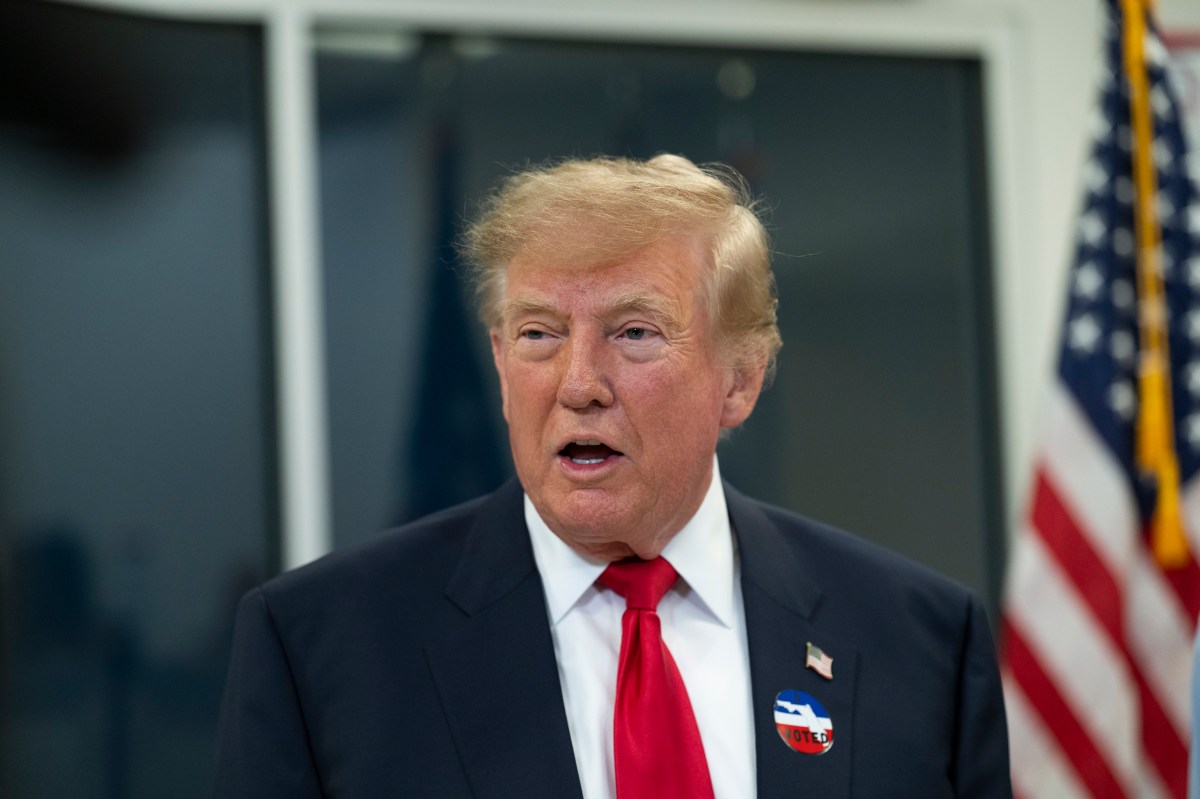
Approval ratings measure how voters evaluate a president’s performance. Questions about personal financial gain address something deeper: whether people believe the president is respecting the responsibilities of the office.
The distinction is crucial.
The supplied material attributes to the AP-NORC Center for Public Affairs Research a finding that six in ten U.S. adults believe Trump is either illegally profiting from the presidency or behaving unethically.
It also states that 56% believe he has prioritized his personal business interests “a lot” since returning to the White House.
These are serious allegations and perceptions. They deserve careful attention, but they must be described accurately.
A poll measuring what people believe does not, by itself, establish that a law has been broken. Nor does public suspicion prove that a specific financial transaction was improper.
Legal violations require evidence and appropriate legal analysis. Ethical questions can be broader, involving transparency, conflicts of interest, appearances of favoritism, and whether public responsibilities are being separated adequately from private financial interests.
The political significance of the reported survey is that many respondents apparently see a problem in this area, regardless of whether they agree on the precise legal or ethical characterization.
That perception can influence public trust.
Presidents occupy a position of extraordinary responsibility. Their decisions can affect federal spending, regulations, international relations, business conditions, and the opportunities available to millions of people.
Because of that influence, the public has a legitimate interest in understanding how potential conflicts of interest are identified, disclosed, and managed.
When a president has personal business interests, reasonable questions may arise about whether official decisions could benefit those interests, whether appropriate safeguards are in place, and whether the public can independently evaluate the situation.
These questions do not automatically establish wrongdoing.
They do, however, explain why transparency matters.
A government that expects citizens to trust its decisions should be prepared to explain how it handles potential conflicts between private interests and public responsibilities.
The public also benefits when allegations are examined through reliable evidence rather than political slogans.
Supporters should not be expected to accept every accusation without proof. Critics should not be required to abandon legitimate questions simply because the subject is politically controversial.
The strongest approach is to examine specific facts, identify the applicable ethical standards, and distinguish established findings from allegations and public opinion.
That is especially important in a political climate where accusations can spread quickly and partisan loyalties can shape how people interpret the same information.
If the AP-NORC figures are accurately represented, the central issue is not that every respondent has reached a legally definitive conclusion.
It is that a substantial share of the public reportedly believes presidential conduct raises serious ethical concerns.
For an administration seeking to restore confidence, that is a challenge that cannot easily be resolved through economic messaging alone.
Trust in government depends not only on what leaders deliver but also on whether citizens believe they are acting responsibly while delivering it.
Why the Personal-Business Question Matters to Ordinary Americans
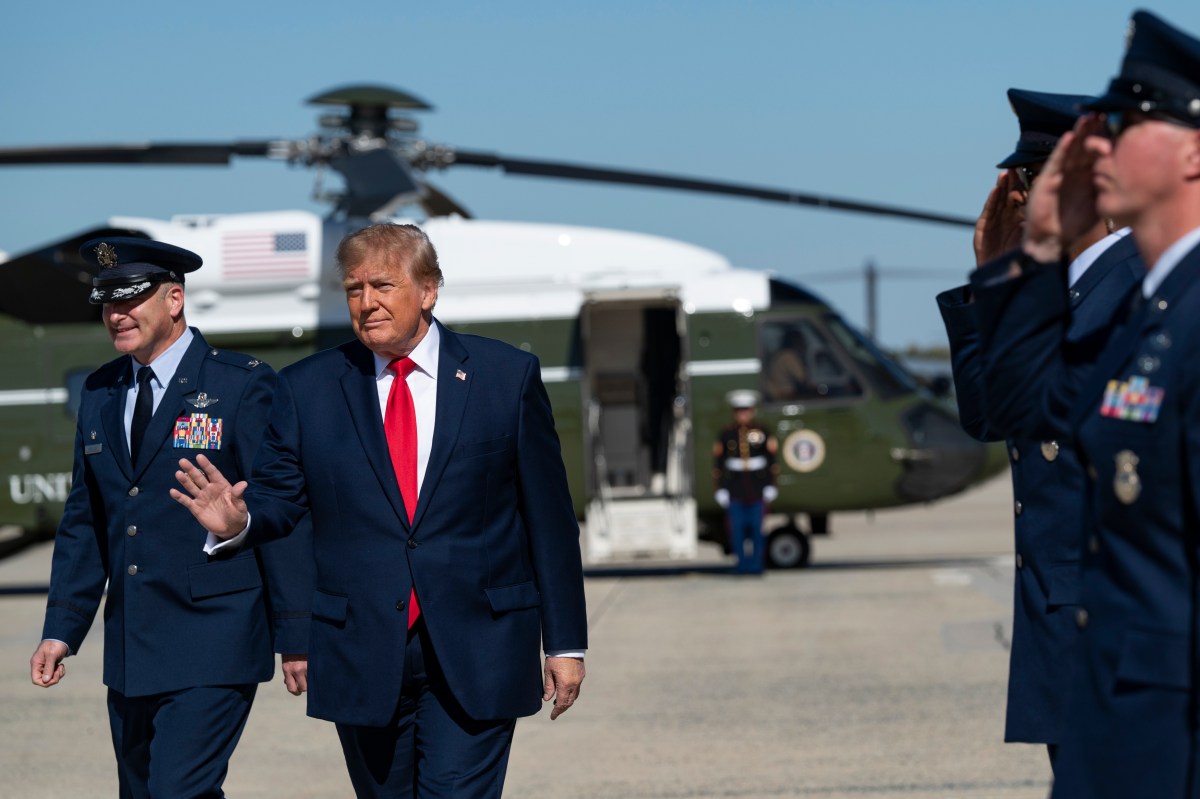
For many voters, ethics in government may initially seem distant from the immediate pressures of daily life.
Families are concerned about rent or mortgage payments, groceries, healthcare, transportation, education, savings, and job security.
They may reasonably ask why questions about a president’s private business interests should matter when they are struggling to manage their own household budgets.
The answer is that public trust and economic confidence are closely connected to how people evaluate leadership.
Citizens expect elected officials to exercise public authority for public purposes. When they believe that private financial interests are receiving special consideration, they may begin questioning whether the government is making decisions fairly.
That concern can extend beyond any single president or political party.
The underlying principle is straightforward: government decisions should be made according to the law and the public interest, not because they create an improper personal advantage for an officeholder.
Clear ethical standards help protect that principle.
Disclosure requirements, independent oversight, conflict-of-interest safeguards, and transparent explanations of official decisions can help citizens assess whether those standards are being respected.
The precise rules applicable to a president can differ from those governing other federal officials, so any legal assessment must consider the relevant law and circumstances. But the broader expectation of responsible public service remains central to democratic accountability.
The supplied polling figures suggest that many Americans are questioning whether that expectation is being met.
That perception could matter politically even among voters who continue to support some of Trump’s policies.
A voter might agree with a president on immigration, taxes, or national security while still believing that the administration should provide stronger assurances about ethics.
Another voter might dislike the president’s political style but care less about personal finances than about inflation or employment.
Public opinion rarely fits neatly into a single category.
That complexity is one reason the reported figure that only 11% of respondents believe Trump represents ordinary Americans, as attributed in the supplied material to AP-NORC, is noteworthy.
If confirmed in the original survey, such a result would suggest a striking gap between the president’s public image and the way many respondents perceive his relationship with everyday citizens.
However, the exact wording of the survey question matters. A statement about whether a president represents ordinary Americans can measure several things at once, including perceived empathy, economic priorities, social background, and political identification.
It should not be interpreted as a complete explanation of voters’ motivations.
Even so, the question goes to the heart of presidential leadership.
People often want to believe that their leaders understand their problems, recognize their sacrifices, and make decisions with the country’s broader interests in mind.
When that belief weakens, political support can become more fragile.
A president may continue to command loyalty among core supporters, but persuading skeptical voters becomes harder when they question not just the policies being pursued but the intentions behind them.
That is why the debate over ethics has the potential to become a major issue in the 2026 midterm elections.
Sixty Percent Believe Trump Is Personally Benefiting From Office, According to the Cited Figures
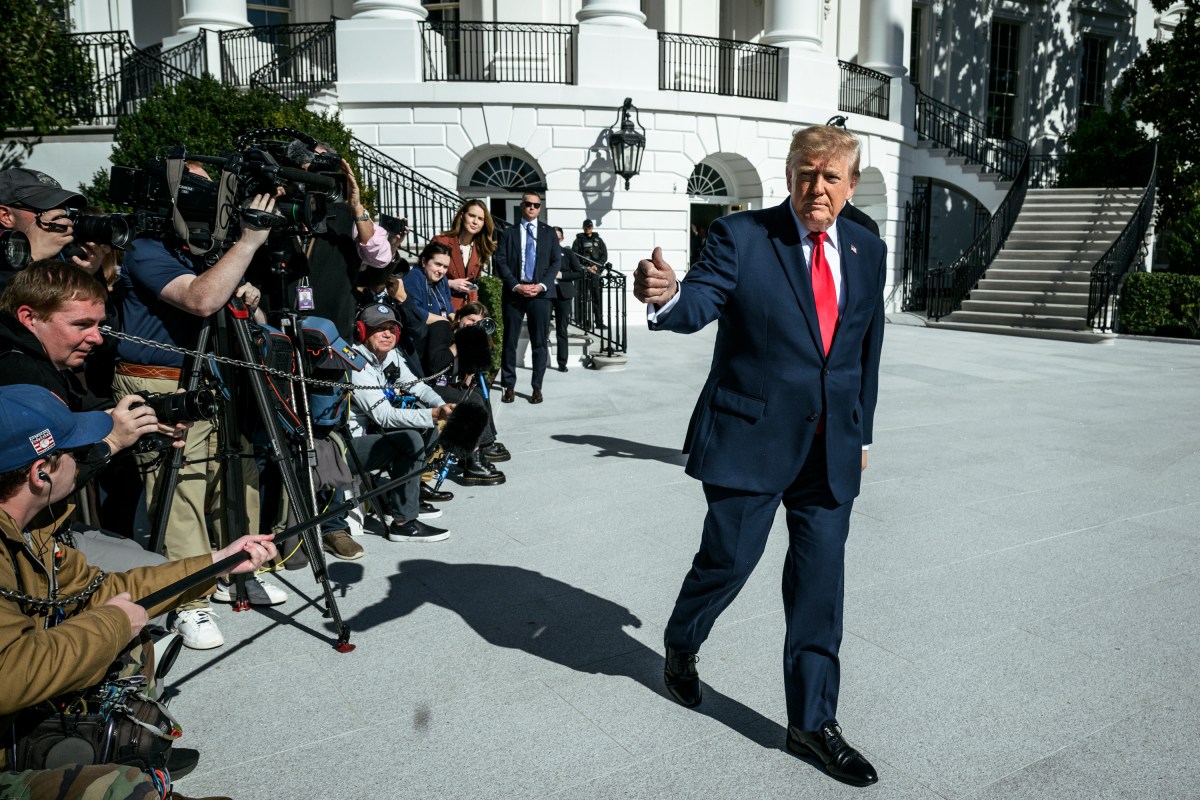
The supplied material also attributes a finding to The Economist/YouGov that 60% of respondents believe Trump is benefiting personally from holding office.
The reported breakdown is particularly striking: 69% of independents and 94% of Democrats expressed that view, compared with 16% of Republicans.
If those figures accurately reflect the original survey, they reveal a pronounced partisan divide.
Democrats appear overwhelmingly skeptical, while Republicans are far less likely to share the same perception. Independents fall between those two groups, although the reported percentage suggests substantial concern among voters who do not identify with either major party.
That difference illustrates how political identity can shape public judgments.
Partisans frequently interpret a president’s actions through different assumptions about his motives, priorities, and accomplishments. An action viewed by one group as legitimate policymaking may be interpreted by another as evidence of favoritism or self-interest.
This does not mean that every judgment is equally well supported by evidence.
It means that political perceptions can diverge sharply, making it harder for Americans to agree on what has happened and how it should be evaluated.
The independent-voter figure deserves particular attention because independents can play an important role in competitive elections.
However, the label “independent” covers a wide range of people. Some lean consistently toward Democrats or Republicans, while others change their preferences depending on the candidates and issues.
Their voting behavior cannot be predicted from a single poll question.
Still, widespread concern among independents could create a political vulnerability if those concerns translate into dissatisfaction with Republican candidates.
The key question is whether voters view the issue as important enough to influence their choices at the ballot box.
Someone may believe that a president benefits personally from office yet prioritize other issues when voting. Another person may consider ethical concerns decisive, even if they agree with the administration on several policies.
A poll measuring perceptions cannot tell us exactly how every respondent will vote.
But it can identify an issue that campaigns may find difficult to ignore.
Republicans may seek to challenge the allegations, emphasize policy accomplishments, or argue that the accusations are politically motivated. Democrats may make transparency and accountability central themes of their campaigns.
Voters will then have to evaluate the competing arguments, including the evidence supporting specific claims.
The political stakes are clear: once the conversation shifts from whether a president’s policies are effective to whether the president’s personal interests are being served, the debate becomes a question of public confidence.
That is not an easy problem for any administration to solve.
The Midterm Elections Could Become a Referendum on Trump
The November 2026 midterm elections are approaching at a moment when the reported approval figures suggest a challenging political environment for the president.
Midterm elections often function as an opportunity for voters to express satisfaction or frustration with the party controlling the White House.
They are not exclusively referendums on presidential performance, but the president’s standing can influence the national political atmosphere.
When approval is high, members of the president’s party may find it easier to campaign on the administration’s achievements.
When approval is low, candidates may face pressure to distinguish themselves from unpopular decisions or explain why voters should continue supporting the party in power.
The supplied material attributes to an NBC News poll a finding that an unusually high number of voters view their upcoming midterm ballot as an explicit signal of opposition to Trump compared with other presidents over the past three decades.
That is a potentially important claim, but the original poll, its exact question, and the comparison with earlier elections should be checked before presenting it as an established historical record.
If confirmed, however, it would suggest that presidential dissatisfaction is motivating a significant share of voters as they approach the election.
This kind of motivation can affect turnout.
People who feel strongly that the country is moving in the wrong direction may be more determined to vote. But the same can be true of supporters who believe the president is being unfairly attacked or obstructed.
The electoral outcome depends on which groups turn out, how they vote, and where their votes are distributed.
A national approval rating cannot predict the precise result in every congressional district.
Still, an unpopular president can place his party in a difficult position if voters who oppose him are especially motivated.
Democratic candidates may argue that electing a Democratic Congress would provide a check on the administration and increase oversight of its decisions.
Republican candidates may counter that maintaining party control is necessary to advance the president’s agenda and prevent political gridlock.
Both parties will have to make their case to voters who may care as much about household expenses, healthcare, immigration, and public safety as they do about presidential ethics.
For Republican candidates, the challenge may be particularly complicated in districts where voters supported Trump in the past but have become dissatisfied with his performance.
Those voters may not want to abandon the party entirely. They may instead be looking for evidence that their representatives are willing to exercise independent judgment.
Other Republican voters may remain firmly supportive of the president and view criticism as an effort to undermine the administration.
Democrats face their own challenge: turning dissatisfaction with Trump into positive support for their candidates and a credible governing agenda.
Opposition to a president can help motivate voters, but it does not automatically create agreement on what should happen next.
Candidates still need to offer persuasive proposals, demonstrate competence, and connect their priorities to voters’ daily concerns.
That is why the midterms are likely to involve more than a simple contest over presidential popularity.
They will also test which party can persuade Americans that it has the better answers to the country’s most pressing problems.
Why Low Approval Ratings Can Put Republican Candidates Under Pressure

The political consequences of presidential unpopularity often extend well beyond the president himself.
Congressional candidates must campaign in local communities where voters have their own concerns and expectations. Yet national political conditions can shape the questions they are asked and the credibility they bring into the campaign.
When a president’s approval rating falls significantly, candidates from the same party may find that the national debate follows them into local races.
A candidate who wants to discuss roads, schools, public safety, or employment may instead face repeated questions about presidential conduct or controversial administration decisions.
That can make it harder to keep the campaign focused on issues where the candidate believes they have an advantage.
Some Republicans may respond by defending Trump and emphasizing the administration’s accomplishments.
Others may attempt to create distance, stressing their own records and explaining where they differ from the president.
Still others may avoid the issue whenever possible and concentrate on local concerns.
Each strategy carries risks.
Strongly defending an unpopular president may alienate voters who have grown frustrated with the administration. Distancing oneself from the president may disappoint loyal Republican voters who expect party unity.
Avoiding the issue entirely may leave the impression that the candidate is unwilling to answer reasonable questions.
The best approach depends on the district, the candidate, and the concerns of the local electorate.
Democratic candidates will also need to make strategic choices. They may see presidential approval and ethics concerns as opportunities to challenge Republicans, but they must still convince voters that their own proposals are practical and that their candidates can deliver results.
The overall environment can therefore create opportunities and risks for both parties.
The central lesson is that elections are shaped not only by what voters think of the president but also by what they believe their representatives should do in response.
Should lawmakers support the administration’s agenda? Should they demand additional oversight? Should they prioritize local concerns over national party loyalty? Should they oppose policies they believe are harmful, even if those policies are popular among some party supporters?
These questions may become increasingly important as the election approaches.
And if presidential approval remains weak, Republican candidates may find themselves answering them more frequently.
Can Trump Win Back Public Confidence?
Low approval ratings do not automatically mean a president has lost the ability to influence public opinion.
Political circumstances can change. Economic conditions may improve or worsen, international developments can alter voters’ priorities, and new policy decisions can reshape the national conversation.
An administration may regain support by demonstrating tangible results and addressing concerns that voters consider important.
But rebuilding confidence requires understanding why that confidence weakened in the first place.
If voters are worried about the cost of living, announcements about economic growth may not be enough unless people experience improvements in their own circumstances.
If voters are concerned about ethics, broad claims of success may not answer questions about transparency and conflicts of interest.
If voters believe the president is disconnected from ordinary Americans, political messaging alone may struggle to overcome that perception.
In each case, the administration would need to demonstrate that it understands the concern and has a credible response.
That does not mean every criticism is accurate or that every allegation should be accepted without scrutiny.
It means that a government seeking public trust must take legitimate questions seriously.
There is also a difference between strengthening support among existing supporters and winning over skeptical voters.
A message that energizes the president’s political base may not persuade independents or voters who have become disillusioned with the administration.
The challenge is to maintain a coalition while demonstrating that the government can address concerns beyond its most loyal supporters.
For Trump, the reported approval figures raise a difficult question: can the administration convince enough Americans that its policies and decisions are benefiting the country as a whole?
The answer will depend on more than campaign slogans.
Voters will assess economic conditions, policy outcomes, presidential conduct, and the credibility of competing political arguments.
They will also decide how much weight to give ethical concerns compared with other issues.
Some may conclude that policy achievements outweigh their concerns. Others may decide that questions about personal financial interests are too serious to overlook.
Still others may remain undecided until they see more evidence or hear more from the candidates competing in their districts.
That diversity of opinion is a normal feature of a large democracy.
What matters politically is whether the administration can persuade enough voters that its leadership deserves their confidence.
Why Transparency Matters Regardless of Political Party
Although the current debate concerns Trump, the underlying principle extends to every president and elected official.
Public service comes with responsibilities that should not depend on party affiliation.
When questions arise about possible conflicts between official duties and personal interests, citizens should be able to examine the evidence and understand what safeguards exist.
This principle protects the public regardless of which party holds power.
Republicans who demand transparency from Democratic officials should be prepared to apply the same standards to Republican leaders. Democrats who call for accountability from Trump should be willing to support comparable scrutiny when officials from their own party face credible concerns.
Consistent standards strengthen the legitimacy of oversight.
Selective outrage, by contrast, can deepen public cynicism by making ethical rules appear to be weapons used against political opponents rather than safeguards for the public interest.
That is why discussions of presidential ethics should focus on verifiable information, applicable laws, established procedures, and the facts of each situation.
Polls can reveal what Americans believe. They cannot independently determine whether a particular action was legal or illegal.
News reports can bring important evidence to public attention, but their claims should be evaluated carefully.
Official investigations and legal proceedings may establish additional facts, although their findings must also be interpreted according to their scope and applicable standards.
Citizens deserve an accurate distinction between what is known, what is alleged, and what remains uncertain.
That distinction is especially important during an election campaign, when political incentives can encourage exaggerated claims and selective presentations of evidence.
A responsible debate should neither dismiss concerns simply because they are politically inconvenient nor treat public suspicion as proof of a legal violation.
Instead, it should ask clear questions.
What specific conduct is being questioned?
What evidence supports the allegation?
What ethical or legal standards apply?
What explanations have been offered?
What independent information is available to evaluate those explanations?
These questions are more useful than slogans because they help voters make informed judgments.
Ultimately, trust in government is not built by demanding that citizens agree with every decision. It is built by demonstrating that public authority is exercised responsibly, that legitimate questions receive credible answers, and that accountability applies consistently.
Those expectations should remain in place no matter who occupies the White House.
What the Polling Numbers Do—and Do Not—Tell Us
Taken together, the figures supplied present a picture of an administration facing significant public dissatisfaction.
The reported 37% approval rating in The New York Times average, the 35% approval and 61% disapproval attributed to The Economist/YouGov, and the 32% approval figure attributed to Reuters/Ipsos all point toward the possibility of a difficult political environment for Trump.
The reported ethics findings add another dimension, suggesting that concerns about personal financial interests and presidential responsibilities may be contributing to the broader debate.
But the figures should be interpreted with care.
Polling organizations use different samples, methods, question wording, and weighting procedures. Their results can vary, and a small difference between two polls does not necessarily indicate a meaningful change in public opinion.
A national approval rating also does not tell us how every demographic group feels or how voters will behave in individual congressional districts.
Nor does a poll measuring beliefs about personal financial gain prove that the president has violated a law.
Those distinctions do not make the polling unimportant.
Instead, they help explain what the numbers are best suited to show: the reported level of public approval, the prevalence of certain perceptions, and the possible political challenges facing an administration.
To establish the strongest factual foundation for publication, each figure should be checked against the original survey release. The publication date, exact question, sample size, margin of error, and relevant comparison points should be included where available.
The NBC News claim about a historically high level of anti-Trump voting motivation deserves particular verification because it involves a comparison across several decades of presidential elections.
Accurate sourcing strengthens the article and helps readers distinguish a compelling political argument from an unsupported assertion.
It also makes the conclusions more credible to readers who do not already agree with them.
In a deeply polarized political environment, credibility matters.
Readers are more likely to engage seriously with an argument when it acknowledges uncertainty, explains its evidence, and avoids presenting every allegation as an established fact.
The reported numbers are striking enough to warrant discussion without overstating what they prove.
The Questions Americans May Be Asking Before November
As Election Day approaches, several questions could shape how voters interpret the reported polling figures.
First, is the administration delivering the results voters expected?
Presidential campaigns create expectations about the economy, national security, government efficiency, and quality of life. Voters eventually compare those promises with their own experiences.
If they believe the results fall short, dissatisfaction may grow.
Second, do voters trust the president to put public responsibilities first?
Questions about personal business interests can become politically significant when citizens believe that the separation between public office and private gain is unclear.
The strength of that concern depends on the evidence, the standards voters apply, and the explanations provided by the administration.
Third, will independents and less committed voters influence competitive races?
National polling may indicate dissatisfaction, but the election’s outcome will depend on actual turnout and voting choices across individual districts and states.
Fourth, can Democrats turn criticism into a convincing alternative?
Opposition to a president can motivate voters, but candidates also need to demonstrate that their proposals address practical concerns and that they can govern effectively.
Finally, how will Republicans respond to voters who support some of the president’s policies but question his conduct?
These voters may be especially important because their views do not fit neatly into a simple division between loyal supporters and determined opponents.
Their decisions could depend on which issues they consider most important and whether they believe Republican candidates have adequately addressed their concerns.
None of these questions has a predetermined answer.
The purpose of polling is not to eliminate uncertainty but to help explain the political environment in which voters make their decisions.
The coming election will provide a more direct measure of how those opinions translate into electoral outcomes.
The Bottom Line: Public Trust Could Be the Defining Issue
The most important question raised by the figures in the supplied material may not be whether Trump’s approval rating is 32%, 35%, or 37%.
It may be why so many respondents reportedly disapprove of his leadership and express concern about his personal financial interests.
Approval ratings are a useful measure of political standing, but public trust is broader.
It includes whether citizens believe leaders understand their problems, respect the responsibilities of their positions, and make decisions according to the public interest.
When confidence weakens across several of these areas, the consequences can extend beyond one policy disagreement.
For Trump, the reported polling figures suggest that the administration may face a difficult task in persuading skeptical Americans that its priorities reflect their own.
For Republicans, the challenge is deciding how closely to associate their congressional campaigns with a president whose approval may be a liability in competitive races.
For Democrats, the opportunity is to persuade voters that they offer a credible alternative, rather than relying solely on opposition to Trump.
And for the public, the responsibility is to evaluate the evidence carefully, ask meaningful questions, and judge candidates according to both their promises and their records.
The November midterms will not be determined by a single poll, one controversy, or one national headline.
They will reflect millions of individual decisions made by voters with different experiences, priorities, and expectations.
Yet the reported figures provide a reason to pay attention to the relationship between presidential popularity, ethical perceptions, and electoral accountability.
If the numbers are confirmed by the original polling sources, they would indicate that Trump faces substantial challenges in maintaining public confidence as the election approaches.
Whether those challenges translate into significant Republican losses will depend on the candidates, the issues, turnout, and the broader political environment.
One principle, however, remains central to the debate.
A president’s power ultimately exists within a system of public accountability. Citizens have the right to question whether their leaders are meeting the responsibilities of office, and elected officials have a responsibility to respond to legitimate concerns with evidence and transparency.
That expectation applies to every administration.
And as Americans prepare to vote in November, the question of whether the government is serving the public interest may prove just as important as the question of which party controls Congress.
……
🚨Donald Trump’s Impact on America: The Big Changes, Bold Promises, and Achievements Supporters Say Are Moving the Nation Forward
America’s Story Is Bigger Than the Headlines
When Americans discuss the presidency of Donald Trump, the conversation often becomes divided between supporters and critics. Some focus on controversies and disagreements, while others emphasize his determination to change Washington, strengthen American industry, secure the nation’s borders, and place American interests at the center of national policy.

But to understand why millions of Americans support Trump, it is important to examine the goals behind his political movement and the policies his administration has pursued.
For many of his supporters, the central promise is straightforward: America should remain a country where hard work is rewarded, businesses have opportunities to grow, families can plan for the future, and the nation has the strength to protect its interests at home and abroad.

These ideas have shaped Trump’s political identity for years.
His approach emphasizes economic growth, lower taxes, domestic energy production, stricter immigration enforcement, fewer regulations, stronger military capabilities, and a renewed focus on American manufacturing.
Supporters believe these priorities address problems that have frustrated many communities for decades. They want factories to expand, small businesses to succeed, energy supplies to remain reliable, and government policies to work more directly for ordinary citizens.
Whether every policy achieves its intended result is a question that must be evaluated through evidence. Nevertheless, understanding the goals, the legislation, and the potential benefits helps explain why Trump’s agenda continues to attract support.

The story is not simply about one politician.
It is also about a larger debate over what kind of economy the United States should build, how government should serve its citizens, and what role America should play in an increasingly competitive world.
And for those who believe the country needs a more assertive approach to economic policy, Trump’s presidency represents an effort to move America in that direction.
The following sections examine several areas where his administration has pursued policies intended to benefit the United States and its people.
A Major Tax Law Designed to Put More Money in American Hands
One of the most significant developments of Trump’s second term came on July 4, 2025, when he signed the One Big Beautiful Bill Act into law.
The legislation combined tax provisions, spending changes, family benefits, border funding, energy measures, and other policy priorities into one major package.

For supporters, the law represented an effort to turn campaign promises into federal policy.
Its tax provisions were especially important because taxes affect how much money households retain, how businesses invest, and how families make financial decisions.
The law made permanent key individual provisions of the 2017 Tax Cuts and Jobs Act and introduced additional deductions and benefits.
Among the most widely discussed measures were deductions for qualified tips and overtime compensation, a temporary additional deduction for eligible older Americans, and an expanded Child Tax Credit.
These provisions were designed to benefit different groups of workers and families, although eligibility rules and individual circumstances determine who actually receives a benefit. The overtime and tips provisions are deductions subject to specific requirements, rather than a blanket elimination of every tax on all such earnings.
For a worker who regularly receives eligible overtime pay, the deduction may reduce taxable income. For a qualifying service worker who earns tips, the new rules may offer another form of tax relief.
The practical significance is that a reduction in federal income taxes can leave an eligible household with more disposable income than it would otherwise have had.
That money can be used to pay bills, purchase necessities, build savings, or cover unexpected expenses.
Families with children may also benefit from the law’s Child Tax Credit provisions, depending on their circumstances and eligibility.
For parents balancing housing expenses, food, transportation, childcare, and education costs, tax relief can provide useful financial breathing room.
The administration has presented these provisions as a way to support working Americans and encourage economic activity.
Supporters argue that when households retain more of their income, they have greater freedom to decide how to spend or save it. Businesses may also benefit when tax rules make investment decisions more predictable.
However, the benefits are not identical for everyone, and tax legislation can also affect federal revenues, deficits, and the distribution of benefits across income groups.
The strongest case for the policy rests on the circumstances of individual families and the measurable effects of the law, not simply on the size of the legislation or the language used to promote it.
Even with those qualifications, the law represents a substantial policy achievement for Trump because it converted a broad set of campaign priorities into enacted legislation.
It also demonstrates how the presidency can influence household finances through negotiations with Congress and the signing of major bills.
For supporters, the broader goal is to create an environment in which Americans have more opportunities to work, earn, invest, and plan for the future.
And that is one reason tax policy remains central to Trump’s economic agenda.
Why American Workers Remain at the Center of Trump’s Economic Message

For generations, employment has been one of the most important measures of economic opportunity in the United States.
A job can provide more than a paycheck. It can offer independence, stability, professional development, and the ability to support a family.
That is why Trump’s emphasis on American workers has remained a major part of his political message.
His administration has argued that the United States should become a more attractive place to build factories, expand businesses, and produce goods that Americans currently obtain from overseas.
The objective is to strengthen domestic productive capacity and create additional opportunities for American workers.
The White House reported in September 2026 that private-sector job creation had surpassed one million during Trump’s second term. It also highlighted investments associated with factory construction, manufacturing, and other industries.
Those are administration-reported figures and should be compared with independent labor-market data to establish the broader employment picture. Nevertheless, the focus on employment and industrial investment is an important part of the administration’s stated economic strategy.
The reasoning behind this strategy is easy to understand.
When a company builds a factory, the immediate employment opportunities may include construction workers, engineers, electricians, technicians, and project managers.
Once the facility begins operating, it may employ production workers, maintenance teams, logistics specialists, supervisors, and administrative staff.
The economic effects can extend into surrounding communities.
Workers spend part of their earnings at local businesses. Companies purchase supplies and services. Restaurants, shops, transportation providers, and housing markets may benefit from increased economic activity.
Not every announced investment produces all these benefits, and some projects take years to complete. But successful investments can create a wider network of economic opportunities.

For communities that have struggled with factory closures or declining industrial employment, new manufacturing projects can be particularly meaningful.
A new facility can bring the possibility of stable employment to people who want to build careers without relocating far from their families.
It can also create opportunities for technical education and apprenticeships, helping younger workers develop skills that remain valuable throughout their working lives.
Trump’s economic approach seeks to encourage this activity by combining tax incentives, trade measures, deregulation, and public commitments to domestic production.
The long-term test will be whether these policies produce sustained employment growth, competitive industries, rising productivity, and improvements in workers’ living standards.
Those outcomes cannot be guaranteed by presidential announcements alone.
Still, the emphasis on domestic employment reflects a widely shared aspiration: Americans want an economy in which productive work offers a realistic path toward financial independence.
For supporters, creating the conditions for that opportunity is among the most important responsibilities of the federal government.
Bringing Manufacturing Back: Why Factories Matter to America’s Future
The decline of manufacturing in some American communities has been a powerful economic and political issue for many years.
When factories close, the consequences can reach far beyond the employees who lose their jobs.
Local suppliers may lose customers. Small businesses may experience lower sales. Younger residents may move away to seek opportunities elsewhere. Municipal governments may face pressure as the local tax base changes.

For many families, the loss of a major employer can alter the direction of an entire community.
Trump has built much of his economic message around reversing that pattern.
His administration has promoted domestic production through tariffs, investment commitments, industrial policy, and efforts to encourage companies to manufacture more goods in the United States.
The central argument is that a country with strong domestic industries is better positioned to support workers, develop technology, and respond to disruptions in global supply chains.
The experience of recent years has shown why supply chains matter.
When a critical component becomes difficult to obtain, manufacturers can face delays even if demand for their products remains strong. Businesses that depend heavily on a limited number of overseas suppliers may find it difficult to respond quickly to international disruptions.
Expanding production capacity within the United States can help reduce certain vulnerabilities, particularly in industries considered important to national security or economic resilience.
These include advanced electronics, industrial equipment, energy infrastructure, transportation, and selected medical and defense supplies.
Domestic manufacturing can also encourage the development of technical expertise.
Factories increasingly depend on automation, robotics, software, precision engineering, and sophisticated quality-control systems. Workers in these environments may gain skills that transfer to other advanced industries.
The goal is not simply to bring back every job that existed decades ago. Modern manufacturing is different from manufacturing in previous generations.
Today’s factories can be highly automated, and they may employ fewer workers per unit of output than older facilities. Their economic value may therefore depend on productivity, wages, technology, supplier networks, and the strength of the wider industrial ecosystem.
Tariffs are one of Trump’s main tools for encouraging companies to produce domestically.

Supporters argue that tariffs can make some imported products less attractive relative to American-made alternatives and encourage investment in domestic factories.
Critics and many economists, however, warn that tariffs can also raise costs for importers, manufacturers that use foreign components, and consumers. Trading partners may retaliate, and companies may delay investment when trade rules are uncertain.
These trade-offs deserve serious consideration.
The positive goal of Trump’s manufacturing strategy is clearest when it succeeds in producing competitive American facilities, creating durable jobs, and strengthening domestic supply chains without imposing excessive costs on households and businesses.
The administration has reported investment commitments involving major companies and industrial projects. Such commitments can indicate business interest, but announced investments should not automatically be counted as completed spending or guaranteed job creation.
Projects need to be built, workers need to be hired, and facilities need to operate successfully before their full economic effects can be measured.
Even so, the effort to attract industrial investment reflects a significant national priority.
America’s future prosperity depends partly on its ability to invent new technologies and also on its ability to manufacture important products at scale.
For supporters of Trump’s approach, rebuilding industrial capacity is not just an economic objective. It is a way to strengthen communities, improve national resilience, and ensure that American workers remain part of the industries shaping the future.
Energy Independence: Powering Homes, Businesses, and American Industry
Energy is one of the foundations of a modern economy.
Homes require electricity for lighting, heating, cooling, communications, and everyday appliances. Businesses depend on reliable power to operate equipment, maintain digital systems, and serve customers.

Manufacturing, transportation, agriculture, and data centers all depend on energy supplies that are available when needed.
When energy becomes expensive or unreliable, the effects can spread throughout the economy.
Transportation costs may increase. Factories may face higher operating expenses. Families may have less money available for other necessities.
For this reason, energy policy has been a central part of Trump’s agenda.
His administration has emphasized domestic oil and natural gas production, liquefied natural gas exports, coal production, and reducing regulatory barriers to energy development.
Supporters argue that increasing domestic supply can improve energy security, support jobs, and reduce reliance on foreign producers.
The United States already has substantial domestic energy resources and major energy industries. Trump’s policy direction seeks to expand the role of these industries while encouraging investment in infrastructure and production.
The potential benefits can be significant.
Energy companies may hire workers for exploration, drilling, engineering, maintenance, transportation, and processing. Pipeline and export infrastructure can support additional construction and technical employment.
Local communities may benefit from wages, purchases from suppliers, and tax revenues associated with energy projects.
Reliable energy supplies are also increasingly important for the technology sector.
Artificial intelligence, cloud computing, and large data centers require significant amounts of electricity. If the United States wants to remain competitive in these fields, it needs power systems capable of supporting expanding demand.
This makes energy policy relevant not only to traditional industries but also to the future of computing, scientific research, and advanced manufacturing.
Trump’s administration has also promoted expanded natural gas exports, which can provide international customers with an additional source of supply.
Supporters see this as a way to strengthen American commercial relationships while creating demand for domestic energy producers.
However, higher production does not automatically guarantee lower prices for every American household. Domestic prices are affected by supply, demand, infrastructure, weather, international markets, and transportation costs.
Environmental impacts also matter. Fossil fuel development can contribute to pollution and greenhouse gas emissions, while energy infrastructure requires careful attention to safety and local conditions.
A sound assessment should therefore examine affordability, reliability, environmental effects, and the long-term costs of the energy mix.
The strongest positive case for Trump’s policy is that a reliable and affordable energy system can help households manage expenses and enable businesses to operate competitively.
For energy-intensive industries, dependable power can be a deciding factor in whether a company expands in the United States or elsewhere.
For families, energy affordability can make everyday life more manageable.
For national security, a diverse and resilient energy supply can reduce exposure to some international disruptions.
The central challenge is to achieve those benefits while managing the economic, environmental, and public-health consequences of different energy choices.
Energy policy is most successful when Americans can count on the power they need, businesses can invest with confidence, and the nation remains capable of adapting as technology and demand change.
That is the outcome Trump’s energy agenda says it is seeking to advance.
Supporting Small Businesses and Entrepreneurs
Small businesses are an essential part of American life.
They include family-owned restaurants, neighborhood shops, construction companies, repair services, farms, independent professionals, and technology startups.
Many employ only a handful of people, yet together they contribute to employment, innovation, and the character of local communities.
Entrepreneurs often begin with an idea and a willingness to accept risk.
They may invest personal savings, borrow money, hire their first employees, and spend years developing a customer base.
Success can create jobs and provide services that larger companies do not offer. Failure, however, can leave owners with substantial financial losses.
Government policy can influence the conditions in which these businesses operate.
Taxes, licensing requirements, labor rules, financing costs, energy prices, and regulatory obligations can all affect a small company’s ability to survive and grow.
Trump’s administration has emphasized reducing regulatory burdens and making the United States a more attractive place to invest.

Supporters argue that simplifying unnecessary rules can free business owners to concentrate on serving customers, training employees, and improving products.
Consider a small manufacturer that must comply with multiple reporting requirements.
If some requirements are redundant or poorly designed, simplifying them could reduce administrative costs and allow the company to devote more resources to production.
A small contractor may benefit if permitting becomes more predictable. A startup may find it easier to expand if it can understand its tax obligations and plan for future investment.
These examples illustrate the potential benefits of regulatory reform.
But not every regulation is unnecessary.
Rules governing workplace safety, product quality, financial transparency, and pollution can protect employees, consumers, investors, and communities. Eliminating a useful safeguard can create costs that outweigh any savings.
The goal should therefore be effective regulation rather than simply the smallest possible rulebook.
Trump’s supporters believe his approach places greater emphasis on allowing businesses to make decisions without excessive government interference.
They also argue that predictable tax rules can help entrepreneurs plan ahead.
For a small business owner, certainty can matter almost as much as the tax rate itself. Hiring a worker, purchasing equipment, or opening another location requires decisions about costs and future revenue.
When the rules are stable and understandable, planning may become easier.
Entrepreneurship also benefits from access to skilled workers, reliable infrastructure, fair competition, and customers with purchasing power.
No single presidential policy can guarantee that a small business will succeed. Management, demand, competition, financing, and local conditions remain essential.
Nevertheless, policies that reduce unnecessary administrative burdens while maintaining important protections can contribute to a healthier business environment.
The positive vision behind Trump’s approach is a country where more Americans have the freedom to start companies, build careers, and turn useful ideas into viable businesses.
For many supporters, that vision is closely connected to the American ideal of opportunity: the belief that a person’s initiative and effort should have a meaningful chance to produce success.
Putting American Families at the Center of Economic Policy
Economic statistics can describe national trends, but families experience the economy through everyday decisions.
Can parents pay their bills and still save for the future?
Can a young adult afford training for a better job?
Can an older person manage housing, food, transportation, and healthcare expenses?
Can a family handle an unexpected repair without losing financial stability?
These are the kinds of questions that make economic policy personal.
Trump’s administration has promoted tax relief, investment, deregulation, and expanded domestic production as ways to improve economic conditions.
The potential benefits vary across households, but the underlying objective is to strengthen the relationship between work and financial opportunity.

Tax deductions may help eligible workers retain more of their earnings. Investment can create employment opportunities. Business expansion may increase demand for skilled labor. A more reliable energy supply can support economic activity.
The challenge is ensuring that the benefits reach households in ways that are meaningful and sustainable.
For example, a growing economy does not necessarily mean every family experiences an immediate improvement. Housing shortages, medical expenses, childcare costs, and local labor-market conditions can remain difficult even when national output rises.
Similarly, a company announcing a major investment does not mean every nearby resident will automatically receive a job.
The connection between policy and household well-being must be measured rather than assumed.
Nevertheless, supporters believe Trump’s focus on domestic production and economic incentives is an attempt to create the conditions in which American families have more opportunities.
The emphasis on work is especially important to voters who believe that employment should offer a realistic path toward independence.
A strong labor market can give workers more choices. Employers may need to compete for qualified applicants, while workers can seek positions that better match their skills and goals.
The effect depends on the broader economic environment, including productivity, inflation, labor-force participation, and the availability of suitable jobs.
Families also benefit when children have access to education and training that prepare them for future employment.
Policies that encourage apprenticeships, technical skills, and industry partnerships can help connect education with real economic opportunities.
These are areas where public policy, private investment, schools, and local communities can work together.
The positive case for Trump’s economic agenda is not that one bill or one presidential decision can solve every household problem.
It is that a combination of tax policy, employment growth, investment, and business activity may help create a more favorable environment for people who want to work and provide for their families.
For supporters, that is a meaningful goal.
A country becomes stronger when its citizens have opportunities to contribute, develop their abilities, and build a secure future through their own efforts.
A New Generation of Opportunity for American Children
One of the notable provisions of the 2025 tax law was the creation of Trump Accounts, tax-advantaged investment accounts intended to help eligible children begin building assets for the future.
The program includes a government seed contribution for eligible children under the applicable rules, along with provisions governing contributions and account use.
The concept behind the program is that starting early can give money more time to grow through investment.
For families, the long-term appeal is straightforward.
Children who begin adulthood with some financial assets may have additional resources as they make decisions about education, training, housing, or other eligible future needs, subject to the account’s rules.
An investment account cannot guarantee financial security. Investment values can rise or fall, and the eventual benefit depends on the program’s terms, contributions, fees, and market performance.
Still, the idea of helping children establish an early financial foundation is an important part of the administration’s family-policy message.
It also encourages discussion about financial literacy.

Understanding saving, compound growth, investment risk, and long-term planning can help young people make more informed financial decisions as they become adults.
Parents and educators can use programs of this kind as opportunities to explain how money works and why financial choices made over time can have lasting effects.
The broader principle is that a child’s future should not be determined entirely by the financial circumstances into which that child was born.
Public policy cannot eliminate every inequality of opportunity, but carefully designed programs may help families establish resources for the next generation.
The impact will depend on who qualifies, how the accounts are managed, whether families can contribute, and how the program performs over time.
Supporters see the initiative as a way to connect today’s public policy with tomorrow’s financial independence.
In that sense, the program reflects a wider political goal: encouraging Americans to think beyond immediate expenses and consider how economic decisions affect children and grandchildren.
A nation’s future depends on the opportunities available to its young people.
When children receive strong education, practical financial knowledge, and pathways into productive careers, the entire country can benefit from their contributions.
The long-term success of any child-focused financial initiative should therefore be judged by whether it creates real, accessible opportunities and helps families prepare for the future.
The Importance of Border Security and an Orderly Immigration System
Immigration has been one of the most prominent issues in Trump’s political career.
His administration has argued that the United States needs stronger border enforcement, more effective screening, and consistent implementation of immigration law.
Supporters view these measures as essential to national sovereignty and public confidence in the immigration system.
Their argument is that a country should be able to determine who enters, enforce its laws fairly, and maintain a process that distinguishes lawful immigration from unauthorized entry.
Border security also involves practical questions about staffing, technology, ports of entry, smuggling networks, asylum procedures, and coordination among federal agencies.
A well-managed system needs the capacity to identify security risks while treating people humanely and complying with applicable law.

Trump has pursued stricter enforcement, increased attention to removals, and changes intended to discourage unauthorized crossings.
The administration has reported substantial reductions in border encounters during portions of his second term. Those claims should be evaluated using official data, clearly defined time periods, and comparisons that account for changes in migration patterns and enforcement practices.
Border encounters alone do not provide a complete picture of immigration, and changes in the number of encounters can have multiple causes.
Nevertheless, improving border management can offer practical benefits when policies are effective and implemented lawfully.
Authorities may gain a greater ability to identify individuals who present genuine security concerns. Reducing opportunities for smuggling can help disrupt criminal networks that exploit vulnerable migrants.
A more predictable system may also help employers, communities, and public agencies plan for immigration-related responsibilities.
At the same time, immigration contributes to the American economy and society in many ways, including through work, entrepreneurship, research, education, and family relationships.
The challenge is not simply to make a system stricter. It is to make it orderly, effective, lawful, and capable of addressing the country’s legitimate economic and humanitarian needs.
Supporters of Trump’s approach believe stronger enforcement restores public confidence in the idea that immigration rules have meaning.
They argue that lawful pathways are easier to manage when the government has reliable control over unauthorized entry and can process cases consistently.
Critics raise concerns about humanitarian consequences, due process, labor-market effects, and the treatment of families and long-established residents.
These questions require attention to evidence and the circumstances of each policy.
A positive assessment of Trump’s border agenda should focus on measurable improvements in security, reductions in smuggling, administrative effectiveness, and compliance with legal protections.
The broader objective is a system that protects the country while preserving fair and lawful processes.
For supporters, a government that can enforce its own immigration laws demonstrates that national policy is not merely a collection of promises but a set of responsibilities that public institutions are expected to carry out.
National Security and the Responsibility to Protect Americans
A president’s responsibilities extend beyond domestic economic policy.
The United States must also prepare for international threats, protect its citizens, maintain capable armed forces, and work with allies when cooperation serves the national interest.
Trump has consistently emphasized a policy approach commonly described as peace through strength.
The underlying idea is that a country with credible defense capabilities may be better positioned to deter aggression and negotiate from a position of confidence.
This approach places importance on military readiness, equipment, technological development, intelligence capabilities, and the security of critical infrastructure.
A modern defense system requires more than personnel and weapons. It also depends on research, maintenance, logistics, communications, cybersecurity, and the industrial capacity to produce essential equipment.
Investment in these areas can support American engineering, advanced manufacturing, and specialized employment.
Defense contracts may create demand for skilled workers and suppliers, although their economic value must be weighed against costs, procurement risks, and other public priorities.

Trump’s administration has emphasized increasing defense production and strengthening domestic supply chains for important military equipment.
Supporters argue that the United States should have the ability to produce essential defense systems without excessive dependence on foreign suppliers.
They also emphasize the importance of making sure that military personnel have reliable equipment, appropriate training, and the resources required to carry out their responsibilities.
National security policy also involves diplomacy.
Negotiations, alliances, sanctions, trade relationships, and international agreements can all influence the risks facing the country.
A capable military does not eliminate the need for diplomacy. In many situations, diplomatic engagement can reduce the likelihood of conflict or create opportunities for cooperation.
Similarly, diplomacy is more effective when policymakers understand the security interests of the United States and its partners.
The positive case for Trump’s national-security agenda is that a combination of readiness, technological investment, and purposeful diplomacy may help protect American interests.
The success of that strategy should be judged by its actual results, including whether it reduces threats, protects service members and civilians, preserves useful alliances, and avoids unnecessary escalation.
Security is not measured solely by the size of a military budget or the number of announcements made by an administration.
It is measured by whether the nation is safer and better prepared for the challenges it faces.
For supporters, Trump’s emphasis on defense and national sovereignty reflects a belief that protecting Americans is among the federal government’s most fundamental duties.
A secure country is better positioned to invest in its future, maintain economic stability, and provide opportunities for its citizens.
That makes national security an important part of the broader debate over American strength and prosperity.
Modernizing Government and Making Public Institutions More Efficient
Another important part of Trump’s political philosophy is the belief that the federal government should operate more efficiently.
The United States has a large and complex system of federal agencies, programs, contracts, and administrative procedures. These institutions perform essential functions, including protecting public safety, maintaining infrastructure, supporting scientific research, administering benefits, and enforcing laws.
However, large organizations can sometimes develop overlapping responsibilities, outdated procedures, and unnecessary administrative expenses.
Trump has made reducing what his administration considers wasteful spending and excessive bureaucracy a central priority.
Supporters believe government efficiency can free up resources for more important responsibilities and make public services easier to manage.
For example, modernizing outdated computer systems may help agencies process applications faster. Better purchasing procedures may reduce the cost of equipment and services. Reviewing contracts may identify payments for services that are no longer needed.
Improving the way agencies share information can also reduce duplication and help employees concentrate on their core responsibilities.
These are worthwhile objectives because taxpayers have a legitimate interest in knowing whether public money is being spent effectively.
Every dollar used unnecessarily is a dollar that cannot be used for another public purpose or left available to taxpayers.
The Treasury Department has highlighted efforts to reduce wasteful contracts and unused software licenses, while the administration has pursued broader changes to federal operations.
The White House has also reported substantial estimated savings from its government-efficiency initiatives. Such figures should be examined alongside independently verifiable budget data, because announced savings, canceled obligations, and reductions in actual federal spending are not necessarily the same thing.
A successful reform should demonstrate that costs have genuinely declined without sacrificing important services.
That distinction matters.
Reducing paperwork can improve public administration, but eliminating experienced staff or changing procedures too quickly can also create delays and operational problems.
The goal should be a government that does its essential work competently while avoiding unnecessary expenses.
For supporters, Trump’s willingness to challenge established procedures represents an effort to make Washington more accountable to the people who finance it.
They believe public institutions should be judged by their results rather than by the size of their budgets or the number of regulations they produce.
The long-term benefit would be a government that uses modern technology, measures performance, identifies waste, and directs resources toward clearly defined public needs.
That is a practical objective that can appeal to Americans across political backgrounds.
Regardless of party, citizens benefit when public services are reliable, contracts are managed responsibly, and officials can explain how taxpayer money is being used.
Encouraging Innovation, Artificial Intelligence, and American Technology
The future of economic leadership will depend heavily on technological innovation.
Artificial intelligence, advanced computing, robotics, biotechnology, and other emerging fields are changing how businesses operate and how scientific research is conducted.
These technologies can improve productivity, help researchers analyze complex problems, and create new products and services.
They may also transform the kinds of skills workers need and the way companies organize their operations.
The United States has long benefited from a combination of research universities, entrepreneurs, private investment, scientific institutions, and a culture of experimentation.
Trump’s administration has emphasized keeping the country competitive in artificial intelligence and expanding investment in the infrastructure needed to support advanced computing.
That includes attention to data centers, electricity supply, domestic manufacturing, and the availability of important technical resources.
The potential economic benefits are broad.
A company developing a new AI system may employ software engineers, researchers, data specialists, security professionals, and business staff.
The infrastructure supporting that work can also create demand for construction, electrical engineering, cooling systems, networking equipment, and specialized manufacturing.
Technology can benefit other industries as well.

Farmers may use digital tools to improve planning. Manufacturers may use automation to increase consistency. Medical researchers may use computational systems to explore potential treatments. Small businesses may use software to organize customer service and administrative tasks.
These possibilities help explain why technological leadership has become a national economic priority.
Trump’s supporters argue that America should create an environment in which entrepreneurs can experiment, investors can support new ideas, and domestic companies can compete internationally.
They believe excessive regulatory uncertainty could discourage some investment, particularly in rapidly developing industries.
However, innovation also requires responsible safeguards.
Artificial intelligence can create risks involving privacy, misinformation, security, reliability, and the disruption of existing jobs. Companies need incentives to innovate, but the public also needs confidence that powerful technologies are developed and deployed responsibly.
The challenge is to encourage progress without ignoring foreseeable harms.
A strong technology strategy should support research, education, workforce development, infrastructure, and fair competition.
It should also help workers adapt as technology changes the labor market.
For example, technical education and retraining can help employees develop skills for jobs that involve maintaining automated equipment, managing digital systems, or working alongside AI tools.
The positive vision behind Trump’s technology agenda is that the United States can continue to attract investment, create valuable intellectual property, and lead industries that will shape the coming decades.
If successful, these efforts could strengthen American competitiveness and expand the range of opportunities available to future generations.
American Agriculture and the Importance of Rural Communities
America’s farmers and ranchers play an essential role in the national economy.
They produce food, support rural employment, purchase machinery and supplies, and contribute to industries that extend from transportation to food processing.
Agriculture also has an important cultural significance. In many rural communities, farming is closely connected to family history, local identity, and traditions passed from one generation to the next.
Yet agriculture faces considerable challenges.
Farmers must manage weather uncertainty, changing commodity prices, equipment expenses, fuel costs, access to markets, and competition from producers in other countries.
A difficult season can affect an entire household and the businesses that depend on agricultural activity.
Trump’s administration has highlighted support for farmers, including measures related to taxes, trade, agricultural markets, and domestic production.
Supporters argue that agricultural policy should help American producers remain competitive while protecting the country’s ability to supply its own food.
A reliable domestic food system is important for economic stability and national resilience.
The ability to produce a wide range of agricultural goods can help the country respond to international disruptions and maintain important supply chains.
Farmers also contribute to innovation through advances in crop science, equipment, soil management, irrigation, and data-driven agriculture.
These developments can improve productivity when they are affordable and suited to local conditions.
However, trade policy can have complicated effects on agriculture. Tariffs and retaliatory measures may affect export markets, while commodity prices can change for reasons unrelated to presidential decisions.
Farmers may therefore benefit from some policies while facing costs from others.
The strongest approach is one that evaluates how policies affect farm income, input expenses, export opportunities, environmental conditions, and the long-term viability of rural communities.
Trump’s emphasis on American production appeals to supporters who believe rural communities deserve a central place in national economic planning.
They want agricultural families to have opportunities to remain in their communities, invest in modern equipment, and pass viable businesses to the next generation.
They also want rural areas to have access to reliable infrastructure, education, healthcare, and economic opportunities.
These needs deserve attention because the prosperity of the United States depends on more than its largest cities and technology centers.
Small towns, farms, and rural businesses are part of the country’s economic foundation.
Policies that help these communities become more resilient can benefit the nation as a whole.
American Leadership Through Trade and International Negotiation
Trade is one of the most debated parts of Trump’s economic approach.
His administration has argued that the United States should negotiate international economic relationships from a position of strength and seek terms that it considers more favorable to American workers and businesses.
The strategy includes tariffs, trade negotiations, efforts to encourage domestic production, and pressure on trading partners to address American concerns.
Supporters believe these measures can help bring attention to trade imbalances and encourage companies to reconsider where they manufacture products.
They argue that American workers should compete on the basis of innovation, productivity, and skill rather than face disadvantages created by unfair trade practices.
This concern is especially important to industries that have experienced intense international competition.
However, tariffs are not costs paid exclusively by foreign governments. Importers may pass some of those costs on to American businesses and consumers, while domestic producers that rely on imported components may face higher expenses.
Other countries may also respond with their own trade restrictions.

For that reason, trade policy should be assessed through actual outcomes, including investment, employment, consumer prices, export performance, and the health of domestic industries.
The positive objective of Trump’s approach is to use the United States’ economic influence to negotiate arrangements that strengthen domestic production and create opportunities for American companies.
International negotiations can also address issues beyond tariffs, including market access, intellectual property, supply-chain resilience, and cooperation on important technologies.
When negotiations produce clear and enforceable agreements, businesses may gain better information about the rules under which they operate.
Predictability is valuable because companies make investment decisions over many years.
A manufacturer considering a new facility needs to estimate future demand, labor expenses, equipment costs, and access to customers. Uncertainty about trade rules can complicate those decisions, while credible agreements may help businesses plan.
The United States also benefits from trade relationships that allow its companies to sell products and services abroad.
Exports can support employment in manufacturing, agriculture, technology, entertainment, and other industries.
The challenge is to balance domestic economic priorities with the advantages of international commerce.
A successful trade strategy should help American producers compete while preserving access to important markets and avoiding unnecessary costs for households.
For supporters, Trump’s approach represents a determination to make trade policy serve domestic economic objectives more directly.
The ultimate measure of success will be whether the resulting agreements and policies produce lasting benefits for American workers, businesses, and consumers.
The Importance of American Pride and National Confidence
Economic policy is only one part of presidential leadership.
National identity, public confidence, and a sense of shared purpose also influence how people think about their country’s future.
Trump’s political message frequently emphasizes American strength, national sovereignty, patriotism, and the belief that the United States should approach its challenges with confidence.
For supporters, this message offers a sense of direction.
They appreciate a president who speaks about American industrial capability, military strength, technological leadership, and the importance of protecting national interests.
They believe that a country should recognize its accomplishments while remaining willing to confront its weaknesses.
Patriotism can mean many different things to different Americans.
For some, it means honoring military service. For others, it means contributing to their community, supporting public institutions, helping neighbors, or building a business that creates employment.
It can also mean participating in elections, respecting the law, and working to improve the country.
The United States has a diverse population with many backgrounds, traditions, and political viewpoints.
A strong national identity does not require every citizen to agree on every issue. In a democratic society, people can disagree about policy while sharing a commitment to the country’s institutions and future.
Trump’s supporters often see his America First message as a reminder that the federal government has a primary responsibility to serve the American public.
They want national leaders to consider how decisions affect citizens, workers, businesses, and communities at home.

That expectation is understandable.
A president should be able to explain how major policies advance the public interest and how their results will be evaluated.
At the same time, national confidence is strongest when it is supported by practical achievements rather than slogans alone.
A country demonstrates strength when its institutions work effectively, its economy offers opportunity, its citizens can participate in public life, and its leaders can respond to challenges.
National pride can be constructive when it motivates people to contribute, innovate, serve their communities, and work toward shared goals.
For supporters, Trump’s emphasis on national strength is an attempt to encourage that spirit.
The positive outcome would be a country that feels confident about its capabilities while remaining open to learning, adapting, and improving.
Why Results Matter More Than Political Slogans
A serious evaluation of any presidency should examine what policies were adopted, how they were implemented, and what changed as a result.
That principle applies equally to Trump and every other president.
Campaign promises can explain a leader’s priorities, but measurable outcomes help determine whether those priorities produced the intended benefits.
For example, a tax cut should be assessed by examining how it affects households, businesses, public revenues, and economic activity.
A manufacturing initiative should be assessed by looking at completed investments, employment, wages, productivity, and the competitiveness of the facilities involved.
An energy policy should be judged by its effects on reliability, prices, production, environmental conditions, and energy security.
Immigration enforcement should be assessed using reliable data, legal compliance, public safety, and the effective administration of the immigration system.
Government-efficiency reforms should be examined to determine whether they reduce actual costs while preserving essential services.
These standards make it possible to recognize genuine achievements without assuming that every policy is successful simply because a president supports it.
They also allow supporters to make a stronger case for the policies they believe are beneficial.
Credibility matters because Americans do not all share the same political preferences.
A persuasive argument should explain what happened, identify the evidence, and acknowledge where uncertainty remains.
The White House has published extensive lists of claimed accomplishments from Trump’s second term, including tax legislation, investment announcements, energy initiatives, border enforcement, and government reforms. Those lists are useful for identifying the administration’s priorities, but independent data and original records remain important for evaluating the size and durability of the claimed effects.
For readers who support Trump, careful evaluation can help distinguish his most effective policies from initiatives that may need improvement.
For readers who oppose him, the same process provides a fair way to recognize outcomes that are supported by evidence, even when they disagree with the administration’s broader political philosophy.
A democracy benefits when citizens can discuss policies without treating every issue as a test of personal loyalty.
The objective should be to determine which decisions actually improve people’s lives and which approaches offer the best prospects for the future.
The Bottom Line: A Positive Vision Built Around Opportunity and American Strength
Donald Trump’s second-term agenda has placed strong emphasis on tax policy, domestic manufacturing, energy production, border enforcement, national security, technological innovation, and changes to federal administration.
Supporters view these priorities as an attempt to reshape the relationship between the federal government, the economy, and the American public.
They believe lower taxes for eligible households, increased domestic investment, and a more competitive business environment can help create opportunities for workers and entrepreneurs.
They see expanded energy production as a way to strengthen supply reliability and support economic activity.
They believe a well-managed immigration system and capable national defense can contribute to security.
They also support efforts to modernize government, encourage technological development, and help American companies compete in important industries.
Each of these goals has potential benefits, but the results depend on implementation, economic conditions, and the choices made by businesses, communities, Congress, and other institutions.
That is why the most meaningful measure of presidential success is not the number of promises made or announcements released.
It is whether policies deliver lasting improvements that Americans can experience in their daily lives.

Are more people finding sustainable employment?
Are families better able to manage their expenses?
Are domestic industries becoming more competitive?
Are energy systems reliable and affordable?
Are public institutions delivering services effectively?
Are the country’s security and economic resilience improving?
These are the questions that can turn political debate into a serious discussion about national progress.
For millions of Trump supporters, the appeal of his agenda lies in the possibility of a stronger economy, greater national self-reliance, and more opportunities for Americans who want to work hard and build a future.
They see value in a president who places manufacturing, energy, business investment, and national interests at the center of his political program.
Others will judge those same policies differently, particularly when they weigh costs, trade-offs, and effects on different communities.
That disagreement is part of democratic life.
A fair assessment should allow positive developments to be recognized while still demanding evidence, transparency, and accountability.
The United States is a large and complicated country. No president can solve every problem, and no administration can claim credit for every positive economic development that occurs during its time in office.
But presidential decisions can influence the direction of national policy, the incentives facing businesses, the priorities of federal agencies, and the opportunities available to future generations.
That influence makes it important to examine both the ambitions behind an administration’s agenda and the results it actually achieves.
Ultimately, the strongest positive case for Trump’s presidency is the one that can demonstrate real benefits for American workers, families, businesses, and communities.
If policies help create productive jobs, strengthen essential industries, improve government performance, and expand opportunities, those outcomes deserve recognition.
If other policies create unexpected costs or fail to deliver their intended benefits, those results deserve an honest assessment as well.
America’s future depends on the ability of its citizens to examine evidence, debate ideas, and work toward solutions that serve the public interest.
The promise of economic opportunity, national security, innovation, and responsible government is larger than any single political campaign.
For Trump’s supporters, these are the goals that make his agenda worth defending.
And for the country as a whole, the lasting question is whether the decisions made today will leave future generations with a more prosperous, secure, innovative, and opportunity-filled United States.
🚨What Happens When Presidential Policies Create New Problems for Ordinary Americans?
The presidency of Donald Trump has become one of the most debated periods in modern American politics. His supporters emphasize economic growth, border enforcement, tax reductions, and national strength. His critics, however, raise concerns about the potential costs of his policies, the effects on vulnerable households, and the long-term consequences for American institutions.

Behind every major government decision are millions of people whose lives may be affected in different ways.
A tariff can influence the price a family pays for a product. A change in healthcare eligibility can affect whether someone receives medical coverage. A reduction in federal staffing can alter how quickly an agency processes applications or provides public services. Immigration enforcement can affect families, employers, and entire communities.

These consequences deserve careful examination.
The question is not simply whether Donald Trump has supporters or opponents. It is whether the policies adopted under his leadership produce the outcomes Americans were promised, what costs accompany those policies, and who ultimately bears those costs.
During his second term, Trump has pursued a sweeping agenda that includes higher tariffs, stricter immigration enforcement, major tax legislation, changes to federal agencies, and revisions to environmental and energy policy.

Some of these initiatives have achieved important political objectives for his administration. Others have produced disputes, economic trade-offs, or concerns about their effects on ordinary people.
For example, Reuters reported in February 2026 that the economy had experienced growth and strong technology investment while manufacturing employment had declined and inflation remained a concern. The same reporting described uncertainty surrounding tariffs and the administration’s economic strategy. These findings illustrate why an administration’s record needs to be assessed across multiple measures rather than through a single statistic. <Cite refs={[“turn354262news60″,”turn354262search1”]}/>
This article examines the principal concerns surrounding Trump’s policies and explains why critics believe some decisions could create difficulties for American families, workers, businesses, and public institutions.
The purpose is to explore the potential negative effects using documented policy changes and published analysis, while recognizing that not every criticism represents an established fact and that economic outcomes can have multiple causes.
1. The Cost of Living: Why Economic Promises Matter to American Families
For many American households, the economy is not an abstract collection of charts, reports, or political speeches.
It is the cost of groceries, rent, electricity, transportation, medical care, school expenses, and the money left over at the end of the month.
A family may hear that economic growth is improving and still struggle to afford everyday necessities.
That difference between national economic performance and household experience is one of the most important challenges facing any president.

Trump campaigned on improving the economy and making life more affordable for Americans. His administration has promoted tax reductions, domestic energy production, deregulation, and tariffs as tools for strengthening the country.
However, the effects of these policies are not always straightforward.
Tariffs, in particular, can increase the cost of imported goods and materials. Businesses that pay more for components, machinery, clothing, electronics, or other products may pass some of those additional costs on to customers.
The extent of any price increase depends on the product, the tariff rate, exchange rates, competition, and whether businesses absorb some of the cost themselves.
This means that a policy intended to protect domestic industries can also create expenses for American companies and consumers.
Housing presents another challenge. Housing costs are influenced by interest rates, local construction, land availability, insurance, household income, and demand. A president cannot immediately resolve all these factors through one executive order or economic announcement.
Even when inflation slows, prices generally do not return to their previous levels. Instead, they rise more slowly, meaning households may continue paying substantially more than they did several years earlier.
That distinction can be frustrating for families who expected political promises to translate into immediate relief.
Reuters’ July 2026 assessment described an economy that had remained resilient in several respects but had not yet delivered all the improvements Trump had promised in areas such as affordability and factory employment. <Cite refs={[“turn354262search2″,”turn354262search9”]}/>
The important point is that economic growth and affordability are different measures.
A country can produce more goods and services while some families continue to face financial pressure. Employment can remain relatively strong while housing, insurance, and food consume a large share of household budgets.
For critics, the central concern is that Trump’s policies may not deliver sufficiently broad or immediate relief to people facing those pressures.
The administration’s supporters may argue that tax relief and investment take time to affect household finances. That possibility should be considered when evaluating the policies.
Ultimately, the relevant questions are practical.
Are wages increasing faster than household expenses? Are families able to find affordable housing? Are businesses creating sustainable jobs? Are tax benefits reaching households that need financial relief?
These measures provide a more complete picture than political promises alone.
For ordinary Americans, the success of economic policy is measured not only by the performance of financial markets but also by whether working families can manage their expenses and plan for the future.
2. Tariffs: The Hidden Costs That Can Reach American Consumers
One of the most distinctive elements of Trump’s economic strategy has been his use of tariffs.
Tariffs are taxes on imported goods. They are generally collected from importing businesses, not directly from foreign governments.
The administration has argued that tariffs can encourage domestic manufacturing, protect selected industries, generate government revenue, and strengthen America’s position in international trade negotiations.
Supporters believe these measures may encourage businesses to produce more goods within the United States rather than rely heavily on foreign factories.

But tariffs can also create costs that reach American consumers.
Consider a company that imports electronic components to manufacture products in the United States. If tariffs raise the cost of those components, the company has several options.
It can absorb the added expense and accept lower profit margins. It can search for another supplier. It can invest in domestic production, which may take considerable time. Or it can raise the price of the finished product.
The same general problem can affect manufacturers that depend on imported steel, aluminum, machinery, textiles, and other materials.
Small businesses may have fewer resources than large corporations to absorb sudden changes in their supply costs.
A family-owned shop that imports certain products may face higher expenses without having the purchasing power or financial reserves of a major retail chain.
Consumers may then encounter higher prices or fewer choices.
The effect is not necessarily identical across every product. Some domestic producers may benefit if imported competitors become more expensive. Other businesses may lose customers if their own costs rise.
This creates a complicated trade-off.
A tariff may provide temporary protection to one industry while increasing costs for another. Its long-term effect depends on whether domestic production expands enough to offset the additional expenses and whether the protected industry becomes more competitive.
Trade partners may also respond with tariffs of their own, potentially affecting American exporters.
Farmers, manufacturers, and other businesses that sell products overseas can be exposed to these responses.
The consequences can extend beyond the initial policy announcement because companies need time to reorganize supply chains, negotiate contracts, and decide where to make future investments.
Reuters reported in February 2026 that Trump’s tariff policy had generated revenue but had not yet achieved the administration’s stated goal of reducing the trade deficit. Its reporting also described uncertainty around tariff policy and the economic outlook. <Cite refs={[“turn354262search1″,”turn354262news60”]}/>
That does not mean every tariff failed or that every price increase can be attributed to tariffs. It means that the costs and benefits must be assessed using evidence.
A serious evaluation should examine domestic production, consumer prices, wages, business investment, export performance, and the effects on industries that rely on imported inputs.
The negative concern is straightforward: if tariffs increase the cost of goods without generating sufficient gains in domestic productivity or employment, American households and businesses may bear additional expenses without receiving the promised benefits.
For families already struggling with affordability, even modest increases across several categories can make financial planning more difficult.
The long-term question is whether the protection provided to selected industries outweighs the broader economic costs.
3. Healthcare: Concerns About Access to Medical Coverage
Healthcare is one of the most consequential areas of federal policy because access to medical treatment can affect a person’s finances, employment, family stability, and quality of life.
For people with chronic conditions, older adults, children, and households with limited income, health coverage can be particularly important.
In July 2025, Trump signed the One Big Beautiful Bill Act into law. The legislation included substantial changes to Medicaid eligibility, financing, and administrative requirements.
Medicaid is a joint federal-state program that provides health coverage to eligible low-income adults, children, pregnant people, older adults, and people with disabilities.
The law’s changes were designed in part to reduce federal spending and introduce additional eligibility requirements for certain groups.

However, reduced government spending does not automatically mean that healthcare becomes less expensive for the people who rely on the program.
When eligibility requirements change, some individuals may have difficulty maintaining coverage. People who remain eligible may still face administrative obstacles if they do not receive notices, cannot provide required documentation promptly, or have difficulty completing renewal procedures.
The Congressional Budget Office estimated that the healthcare provisions in the 2025 reconciliation law would increase the number of uninsured Americans by approximately 10 million in 2034 compared with its January 2025 baseline. It also projected substantial reductions in federal healthcare spending, largely involving Medicaid. <Cite refs={[“turn354262search3″,”turn354262search6”]}/>
These are projections, not a count of people who have already lost coverage. Actual effects will depend on implementation, state decisions, household circumstances, and future policy changes.
Nevertheless, the projections raise important questions about access to healthcare.
For a family that loses coverage, medical bills may become harder to manage. Someone who delays treatment because of cost may face more serious health problems later. Hospitals and clinics that serve large numbers of Medicaid patients may also experience financial pressure if they receive less reimbursement.
Rural hospitals deserve particular attention because many operate with limited financial margins and serve communities with few alternatives.
If hospitals reduce services or close departments because of financial pressures, patients may need to travel farther for treatment.
The consequences can extend beyond individual patients. Employers may face challenges when workers struggle to obtain necessary medical care, and families may experience greater financial uncertainty.
Supporters of the legislation argue that its requirements can encourage eligible adults to work or participate in qualifying activities and that reduced federal spending can help address broader fiscal concerns.
Those arguments are part of the policy debate.
The central issue is whether the savings achieved by the legislation justify the possible consequences for healthcare access, administrative complexity, and the financial stability of healthcare providers.
The answer requires examining both government spending and the real-world experiences of patients.
For critics, the concern is that some vulnerable Americans may lose coverage or encounter additional barriers to receiving medical treatment, even when their underlying need for care has not changed.
Healthcare policy should therefore be judged not only by its budgetary effects but also by whether people can obtain timely and affordable treatment.
4. Food Assistance: What Changes to SNAP Could Mean for Families
Food assistance is another area affected by the 2025 reconciliation law.
The Supplemental Nutrition Assistance Program, commonly known as SNAP, helps eligible households purchase food.
For many recipients, the program is part of a broader effort to manage expenses while working, looking for employment, caring for children, or dealing with other financial challenges.
The 2025 law changed SNAP funding arrangements and eligibility-related provisions, including work requirements for certain groups.

The Congressional Budget Office projected substantial reductions in federal SNAP spending as a result of the legislation. Its analysis identified changes expected to reduce the number of people receiving benefits and, for some households, the amount of assistance available. <Cite refs={[“turn354262search3″,”turn354262search8”]}/>
Supporters of tighter eligibility rules argue that public assistance should be carefully targeted and that people who are able to work should be encouraged to participate in employment or qualifying activities.
Critics respond that eligibility rules can be difficult to navigate and that some people face barriers to work that are not immediately apparent.
Those barriers may include caregiving responsibilities, unstable work schedules, transportation difficulties, limited access to childcare, or administrative problems with documenting eligibility.
A person can be willing to work and still struggle to meet a particular program’s requirements.
For families with children, changes in food assistance can affect the amount of money available for other necessities.
When grocery expenses rise or benefits decline, households may have to make difficult choices between food, transportation, utility bills, and other costs.
The effects can also reach local communities.
Grocery stores, food banks, and community organizations may experience changes in demand when assistance becomes more limited. State governments may face additional administrative responsibilities or financial pressure as funding arrangements change.
These effects will vary by state and household, and not every SNAP recipient will experience the same outcome.
It is also important to distinguish projected spending reductions from confirmed changes in individual benefits.
Nevertheless, the policy raises a central question: how can government encourage employment and responsible use of public funds without creating unnecessary hardship for eligible families?
That question deserves serious attention.
For critics of Trump’s legislation, the concern is that spending reductions may place additional pressure on households already struggling with food costs and unstable incomes.
A complete assessment should consider employment outcomes, administrative costs, food insecurity, household finances, and the ability of eligible people to access the assistance for which they qualify.
The broader issue is how to balance fiscal responsibility with the needs of people who depend on temporary or ongoing support.
5. Federal Workforce Reductions: Can Government Do More With Fewer Employees?
Trump has pursued a major effort to reduce the size of the federal workforce and reorganize government agencies.
His administration argues that reducing bureaucracy can lower costs, remove unnecessary positions, and make public institutions more efficient.
Supporters believe the federal government should be accountable for its spending and should not maintain positions or programs that no longer serve a clear purpose.
However, federal employees perform a wide range of functions that affect everyday life.
They help administer veterans’ benefits, inspect food and medicines, maintain public records, enforce laws, process applications, oversee infrastructure, conduct scientific research, and respond to emergencies.

The effect of workforce reductions therefore depends on which positions are eliminated, how responsibilities are reassigned, and whether agencies retain enough expertise to perform essential functions.
The U.S. Government Accountability Office reported in June 2026 that 22 major federal agencies experienced a net workforce decline of nearly 256,000 employees between December 2024 and January 2026. These agencies accounted for approximately 95% of the federal civilian workforce. The report noted that departures included voluntary resignations, retirements, reductions in force, and other separations. <Cite refs={[“turn354262search0″,”turn354262search5”]}/>
The GAO also explained that staffing declines may create gaps that agencies need to address through overtime, contractors, technology investments, or reductions in public services. <Cite refs={[“turn354262search0″,”turn354262search5”]}/>
These findings do not establish that every reduction has harmed government performance. Some positions may have been unnecessary, and better processes may allow agencies to operate with fewer employees.
But staffing cuts can also remove experienced workers whose knowledge is difficult to replace.
When an agency loses employees faster than it can reorganize its work, applications may take longer to process, inspections may be delayed, and remaining staff may face heavier workloads.
The effects can be especially important when agencies perform tasks that require specialized training or knowledge of complex regulations.
A government office that processes public benefits, for example, must have enough trained staff to review applications accurately and respond to questions.
An agency responsible for food and drug safety needs sufficient expertise to conduct inspections and assess risks.
A reduction that saves money on salaries but creates expensive delays or requires large amounts of outside contracting may not produce the expected net savings.
This is why government efficiency should be measured through both costs and performance.
The important questions include whether services remain accessible, whether agencies meet their legal responsibilities, whether backlogs increase, and whether taxpayers receive better results for the money spent.
For critics, the concern is that rapid workforce reductions may weaken public services before replacement systems are ready.
For supporters, the goal is to create a smaller, more efficient government.
Determining whether the reforms achieve that goal requires agency-specific evidence rather than assumptions based solely on the number of employees who leave.
6. Environmental Policy: The Debate Over Pollution, Energy, and Climate Risks
Environmental policy affects public health, energy costs, agriculture, infrastructure, and the long-term condition of the natural environment.
Trump has generally favored expanding fossil-fuel production and reducing certain environmental regulatory requirements that his administration considers burdensome.
Supporters argue that a less restrictive regulatory environment can lower costs for energy producers, accelerate infrastructure development, and support domestic industry.
They also emphasize the importance of reliable energy supplies for households, manufacturing, and emerging technologies.

Critics, however, raise concerns about the potential consequences of weakening environmental protections.
Air pollution can affect respiratory health. Water contamination can create serious problems for communities. Industrial accidents can damage ecosystems and impose substantial cleanup costs.
Climate change presents another long-term challenge because rising temperatures, shifting rainfall patterns, sea-level rise, and certain extreme weather risks can affect communities and infrastructure.
The consequences vary by location, and individual weather events cannot automatically be attributed to a single administration’s policy.
Nevertheless, the design of environmental regulations can influence future emissions, public-health protections, and the incentives businesses face when deciding how to produce energy.
When environmental rules are weakened, businesses may gain greater flexibility and lower compliance costs. The public may also face risks if the changes reduce effective safeguards against pollution.
The balance depends on the specific rule being changed, the environmental conditions involved, the available alternatives, and the costs of compliance.
A carefully designed rule can protect health without imposing unnecessary burdens. A poorly designed rule can create avoidable costs without delivering equivalent public benefits.
That is why environmental policy should be evaluated rule by rule.
Critics of Trump’s approach worry that reducing protections could increase pollution or slow the transition toward cleaner technologies. They also argue that uncertainty in federal energy and climate policy may complicate long-term investment decisions for businesses planning infrastructure that will operate for decades.
Supporters counter that fossil fuels remain important to the American economy and that domestic energy production can support employment and energy security.
These considerations are not mutually exclusive. The United States can have legitimate energy-security concerns while also evaluating the public-health and environmental consequences of its energy choices.
The key questions are whether energy remains reliable and affordable, whether pollution risks are managed effectively, and whether policy encourages investment that can serve the country over the long term.
For critics, the potential negative effect is that short-term reductions in regulatory costs could create larger public-health or environmental expenses if safeguards are removed without adequate alternatives.
Those consequences should be assessed using scientific evidence, measured pollution levels, health data, and transparent evaluations of individual policies.
7. Immigration Enforcement: Effects on Families, Workers, and Communities
Trump’s immigration agenda has emphasized stricter border enforcement, expanded deportation efforts, and greater use of immigration enforcement within the United States.
Supporters argue that consistent enforcement is necessary to maintain control over national borders and uphold immigration law.
They believe a functioning immigration system should clearly distinguish between lawful entry and unauthorized entry while addressing security concerns.

However, immigration enforcement can also have significant consequences for families, employers, and local communities.
People affected by enforcement may include individuals with criminal convictions, people with no criminal convictions, long-term residents, workers, and parents of U.S.-citizen children.
The legal circumstances differ from case to case, and immigration status alone does not establish that a person has committed a separate criminal offense.
The Migration Policy Institute estimated in a report released in October 2026 that the Trump administration deported approximately 660,000 people during the previous fiscal year. The report also found that many deportations involved people initially intercepted at the southern border, while a substantial share of those deported had no criminal convictions. <Cite refs={[“turn354262news61″,”turn354262search12”]}/>
These estimates describe enforcement activity; they do not independently determine whether every individual case was legally or procedurally justified.
The distinction matters because immigration enforcement involves questions about legal status, due process, public safety, and the treatment of families.
When a parent is detained or deported, children and other family members may experience financial and emotional disruption.
Employers may lose workers, particularly in industries that rely on immigrant labor. Depending on local conditions, that can affect agricultural production, construction, hospitality, food processing, and other sectors.
Businesses may need to recruit and train replacement workers, and shortages can affect the cost or availability of certain services.
The economic impact varies by industry, region, and the extent to which employers can recruit other workers.
Strict enforcement can also place pressure on immigration courts and administrative systems if the number of cases grows faster than the available capacity to process them.
Backlogs can leave individuals and families uncertain about their legal circumstances for extended periods.
Critics argue that enforcement should focus on genuine security concerns while preserving due process and avoiding unnecessary harm to families and communities.
Supporters maintain that immigration laws need to be enforced consistently and that reducing unauthorized entry is an important national objective.
A complete evaluation should examine border security, the processing of legal claims, public safety, labor-market effects, court capacity, and the treatment of affected families.
The central concern is that enforcement measures may produce broader social and economic costs if they are implemented without sufficient attention to legal protections, workforce needs, and family circumstances.
8. The Economic Consequences of a Changing Labor Force
Immigration policy is closely connected to the labor market.
The United States depends on workers across a wide range of industries, from agriculture and construction to healthcare, technology, transportation, and hospitality.
Immigrants participate in these industries in different ways. Some work as employees, some operate businesses, and others contribute through scientific research, education, and specialized professional services.
The economic effect of immigration depends on workers’ skills, local labor-market conditions, employer demand, and the broader economic environment.

Trump’s administration has argued that stricter immigration enforcement can improve opportunities for American workers by reducing competition for certain jobs.
In some situations, reduced labor supply can encourage employers to raise wages or invest in productivity improvements.
But the effects are not uniform across the economy.
Employers facing labor shortages may have difficulty filling positions, especially when jobs require specific skills, involve demanding conditions, or are located in areas with limited available workers.
Businesses may respond by raising wages, reducing output, increasing prices, investing in automation, or moving some activities elsewhere.
These responses can create both benefits and costs.
For example, higher wages may help some workers, while higher operating expenses may place pressure on smaller employers and consumers.
In industries with seasonal labor needs, shortages may affect production schedules and the availability of certain goods.
Labor-force changes can also influence economic growth because the number of workers and their productivity affect how much an economy can produce.
Reuters’ reporting in February 2026 identified immigration restrictions as one factor that may have contributed to slower overall job growth during the preceding year. <Cite refs={[“turn354262search1″,”turn354262news60”]}/>
That finding should not be interpreted as proof that immigration policy explains every change in employment. Hiring also responds to interest rates, consumer demand, business investment, technology, and other factors.
Nevertheless, it highlights an important issue: policies designed to reduce unauthorized immigration can also influence the availability of workers.
The relevant question is how to enforce immigration law while maintaining a labor market capable of supporting businesses and economic activity.
A comprehensive approach would consider legal immigration pathways, workforce training, employer compliance, wage protections, and the needs of industries that depend on particular skills.
For critics, the concern is that abrupt changes in labor availability may disrupt businesses and raise costs without delivering sufficient gains to American workers.
For supporters, stronger enforcement is intended to encourage lawful employment and protect the integrity of the immigration system.
The actual effects should be evaluated using wage data, employment figures, labor shortages, productivity, and the performance of individual industries.
9. The Federal Budget: Tax Cuts, Spending Changes, and National Debt
Federal tax and spending decisions can influence economic growth, household finances, public services, and the amount of debt the government must finance.
Trump’s 2025 reconciliation law combined tax reductions and other policy changes with spending reductions in several federal programs.
The administration and its supporters argue that lower taxes can encourage investment, increase incentives to work, and support economic activity.
They also argue that reducing certain federal expenditures can help control government spending.
However, tax cuts can reduce government revenue unless the lost revenue is offset by other measures or by sufficiently large increases in economic activity.

Spending reductions can also create consequences for people who rely on federal programs.
The Congressional Budget Office estimated that the 2025 reconciliation law would increase cumulative federal deficits by approximately $3.4 trillion through 2034 under its projections. The estimate reflects the law’s combined effects on revenues and spending relative to the CBO’s baseline. <Cite refs={[“turn354262news63″,”turn354262search3”]}/>
These estimates are projections rather than a record of future outcomes. Economic growth, interest rates, later legislation, and changes in government revenue can affect the final result.
Nevertheless, projected deficits matter because the government must finance the difference between its spending and revenue.
Higher debt can increase future interest expenses, reducing the portion of the federal budget available for other priorities.
Those priorities can include infrastructure, scientific research, public health, national defense, and assistance programs.
The long-term consequences depend on the size of the debt, the cost of borrowing, economic growth, and future fiscal decisions.
There is also a distributional question.
The CBO’s analysis of the 2025 law estimated that resources would decline for households toward the bottom of the income distribution while increasing for households in the middle and toward the top, when the law’s projected tax and spending effects were taken together. <Cite refs={[“turn354262search7″,”turn354262search14”]}/>
This does not mean every household within an income group experiences the same effect. Individual circumstances, eligibility rules, and state responses can change the outcome.
Still, the findings raise a significant policy question about who receives the benefits and who bears the costs.
Critics argue that tax benefits and spending reductions may distribute gains and losses unevenly, particularly when reductions in healthcare and food assistance affect lower-income households.
Supporters argue that tax relief and stronger economic growth can improve prosperity and that spending changes can help control government costs.
The central issue is whether the law’s economic benefits are sufficient to offset its projected fiscal costs and whether the distribution of its effects matches the country’s policy priorities.
A responsible assessment should consider growth, investment, wages, deficits, interest expenses, and the resources available to households across the income distribution.
10. Public Trust and Questions About Presidential Ethics
Presidential leadership depends on more than economic policy.
Citizens also expect public officials to exercise their authority responsibly and to make decisions in accordance with applicable laws and ethical standards.
Questions about conflicts of interest can therefore become politically significant, particularly when a president has personal business interests.
Trump’s business background has generated debate about the relationship between his private financial interests and his public responsibilities.

Critics have raised concerns about potential conflicts of interest, transparency, and whether sufficient safeguards exist to separate private business activity from presidential decision-making.
Supporters have disputed many criticisms and argued that political opponents sometimes portray ordinary business activity as evidence of wrongdoing.
These competing positions should be assessed through specific facts rather than broad assumptions.
A poll showing that people suspect unethical conduct measures public opinion. It does not, by itself, prove that a law was broken.
Similarly, an accusation reported in the news should not automatically be treated as an established finding.
Legal questions require evidence and analysis under the relevant laws. Ethical questions can be broader and may involve disclosure, appearances of favoritism, transparency, and the management of potential conflicts.
Why does this matter to ordinary Americans?
Because public confidence can influence whether citizens believe government decisions are being made fairly.
If people suspect that private interests are receiving special treatment, they may become less willing to trust official explanations or accept government decisions as legitimate.
That concern can extend beyond one administration or political party.
Transparency and consistent ethical standards help protect the public interest by making it easier to evaluate how decisions are made.
For critics of Trump, the potential negative effect is that unresolved questions about conflicts of interest may weaken public confidence in the presidency.
For supporters, the appropriate response is to distinguish substantiated evidence from partisan accusations and apply the same standards to officials from every party.
A fair discussion should examine the specific conduct in question, the applicable rules, the evidence available, and any credible findings from independent oversight.
Trust is not strengthened by assuming that every accusation is true or by dismissing every concern as politically motivated.
It is strengthened when officials provide credible explanations and the public can examine the evidence.
11. Political Polarization and the Challenge of Governing a Divided Country
The United States has long experienced political disagreements, but the intensity of modern political conflict has become a significant concern for many Americans.
Trump’s communication style, policy agenda, and confrontational relationships with political opponents have contributed to intense debate about the country’s political climate.
Supporters often see his approach as a challenge to established institutions and political conventions they believe have failed to address their concerns.
Critics argue that hostile political rhetoric and persistent conflict can make cooperation more difficult and deepen divisions among citizens.
The effects of polarization extend beyond elections.
When people become convinced that political opponents are fundamentally untrustworthy, they may become less willing to consider information from different sources or cooperate on local problems.
Disagreements can also complicate negotiations in Congress, where major legislation often requires compromise among lawmakers with different priorities.
A divided political environment can make it more difficult to develop durable policies that survive changes in administration.
For example, businesses may face uncertainty when major rules are repeatedly changed, challenged, or reversed. State and federal agencies may have difficulty implementing long-term programs when political conflict prevents agreement on funding or administration.
These problems do not arise from one political figure alone. Polarization reflects broader social, media, institutional, and ideological trends.
Nor does strong disagreement necessarily indicate a failure of democracy. Citizens should be able to challenge government decisions, protest policies, and demand accountability.
The concern arises when political conflict undermines the ability to resolve disagreements through lawful institutions and constructive debate.
A healthy democracy requires room for criticism and competition while maintaining respect for election procedures, constitutional responsibilities, and the rights of people with different viewpoints.
Critics of Trump’s leadership style argue that presidential rhetoric can influence the tone of national political debate.
Supporters counter that his confrontational approach reflects frustration with established political institutions and a desire to challenge policies they oppose.
The broader question is how political leaders can represent their supporters while also maintaining the conditions needed for democratic cooperation.
Americans do not need to agree on every policy to share an interest in effective government.
They can disagree about taxes, immigration, energy, and healthcare while still expecting public institutions to operate fairly and laws to be applied consistently.
For critics, the potential negative effect of sustained polarization is that it may make practical problem-solving more difficult and weaken public confidence in institutions.
Evaluating that concern requires looking at specific actions, public statements, institutional outcomes, and the broader political environment rather than assuming every disagreement has the same cause.
12. Education and the Future of Public Institutions
Education plays an important role in economic opportunity, social mobility, and the development of a skilled workforce.
Schools, colleges, vocational programs, and universities help prepare students for employment while supporting research and innovation.
Federal policy can influence education through funding, student aid, civil-rights enforcement, research grants, and the administration of national programs.
Trump has pursued changes to federal education policy and the role of the Department of Education.
Supporters argue that states and local communities should have greater control over education and that federal involvement should be more limited.
They also emphasize parental involvement, school choice, and the need to improve educational outcomes.
Critics worry that reductions in federal capacity or funding could create difficulties for students and schools that rely on federal programs, particularly those serving disadvantaged communities.
The effects depend on the specific policy, the source of funding, state decisions, and the ability of schools to adapt.
Changes to federal administration can also affect how grants are processed, how civil-rights complaints are investigated, and how schools receive guidance about federal requirements.
When responsibilities shift between agencies or levels of government, institutions may need time to adjust.
If transitions are poorly managed, students, families, and educators may experience uncertainty.
Education policy also affects future employment.
Employers need workers with strong reading, mathematical, technical, and problem-solving skills. Students need access to education and training that connect with realistic career opportunities.
A debate over federal control should therefore consider both local flexibility and the benefits of consistent national protections and support.
Supporters of Trump’s approach believe decisions made closer to families and communities may better reflect local needs.
Critics argue that some federal programs provide resources and protections that individual states may not be able to replace equally.
The relevant questions include whether students receive effective instruction, whether resources are distributed fairly, whether educational access improves, and whether schools can prepare students for a changing economy.
For critics, the potential negative effect is that rapid changes in federal education policy may disrupt programs before states and local institutions have developed suitable alternatives.
A careful evaluation should examine actual changes in funding, staffing, student services, educational outcomes, and the experiences of affected communities.
13. The Environmental and Economic Trade-Offs of Deregulation
Deregulation is often presented as a way to encourage business investment and reduce unnecessary costs.
The argument is that companies can expand more easily when they spend less time complying with complex administrative requirements.
In some cases, removing duplicative or outdated rules can produce real benefits.
However, regulations can also serve important purposes.
They may establish minimum safety standards, limit pollution, protect consumers from deceptive practices, or require companies to disclose important information.
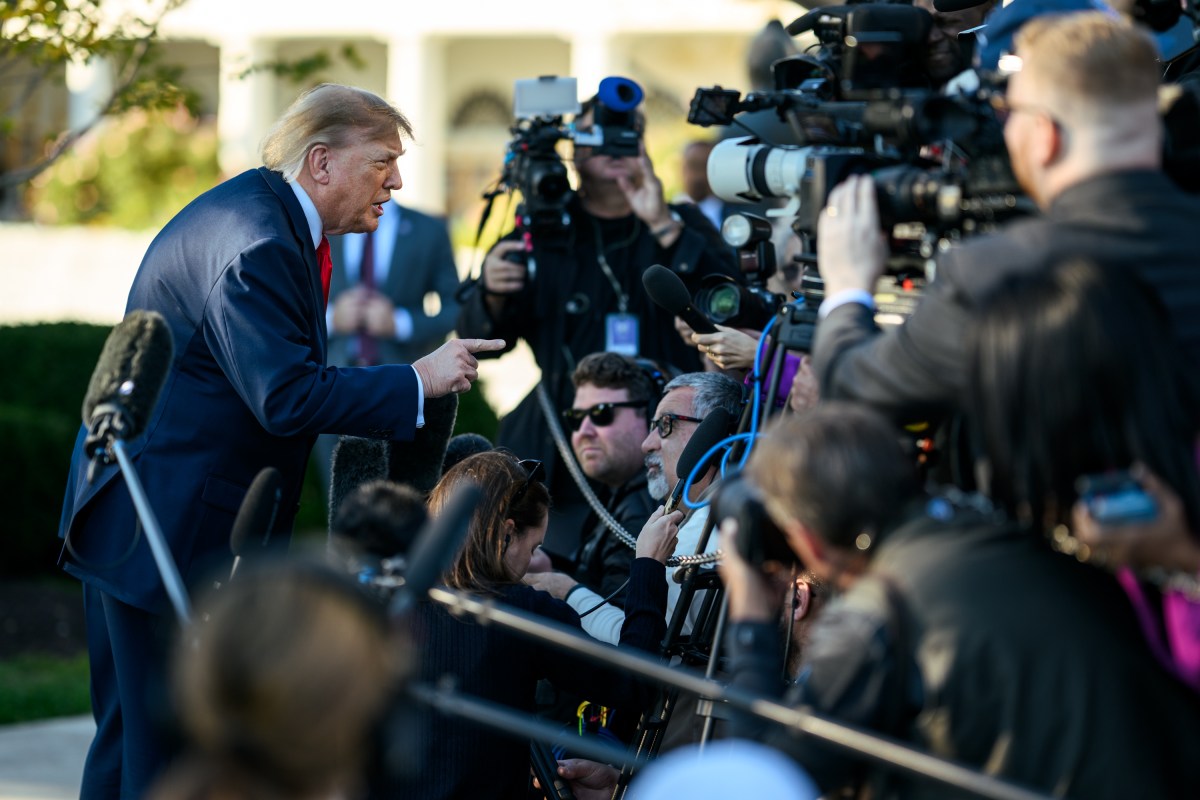
The consequences of removing a regulation therefore depend on what the rule accomplishes and whether another effective safeguard remains in place.
For example, reducing an unnecessary permit requirement may accelerate a useful infrastructure project.
Removing an important safety inspection, however, could increase the risk of an accident if no alternative mechanism provides equivalent protection.
The economic effects of regulation are not always immediately visible.
Compliance costs may be easy to calculate, while the potential costs of pollution, workplace injuries, fraud, or unsafe products can be more difficult to estimate.
A balanced assessment should consider both.
Trump’s administration has emphasized reducing regulations in several sectors, including energy and business.
Supporters argue that these changes can improve competitiveness and lower operating costs.
Critics worry that some rollbacks may shift costs from regulated companies to the public through environmental damage, health risks, or reduced consumer protections.
The relevant issue is not whether all regulation is good or all regulation is bad.
It is whether each rule produces public benefits that justify its costs and whether alternative approaches could achieve the same objective more effectively.
Businesses benefit from clear, stable rules because they can plan investments with greater confidence.
The public benefits when those rules protect legitimate interests without imposing unnecessary burdens.
For critics, the risk is that a broad drive to reduce regulation may eliminate protections whose value becomes apparent only after something goes wrong.
That possibility is one reason environmental and public-safety decisions should be supported by evidence, transparent analysis, and appropriate oversight.
14. International Relations: The Costs of Uncertainty and Confrontation
The president of the United States influences relationships with allies, trading partners, and rival governments.
Foreign-policy decisions can affect national security, energy prices, trade, investment, and the movement of goods around the world.
Trump has adopted a more transactional approach to several international relationships, emphasizing national interests, burden-sharing, trade negotiations, and the use of economic pressure.
Supporters believe this approach can encourage other countries to contribute more to shared security arrangements and negotiate terms more favorable to the United States.
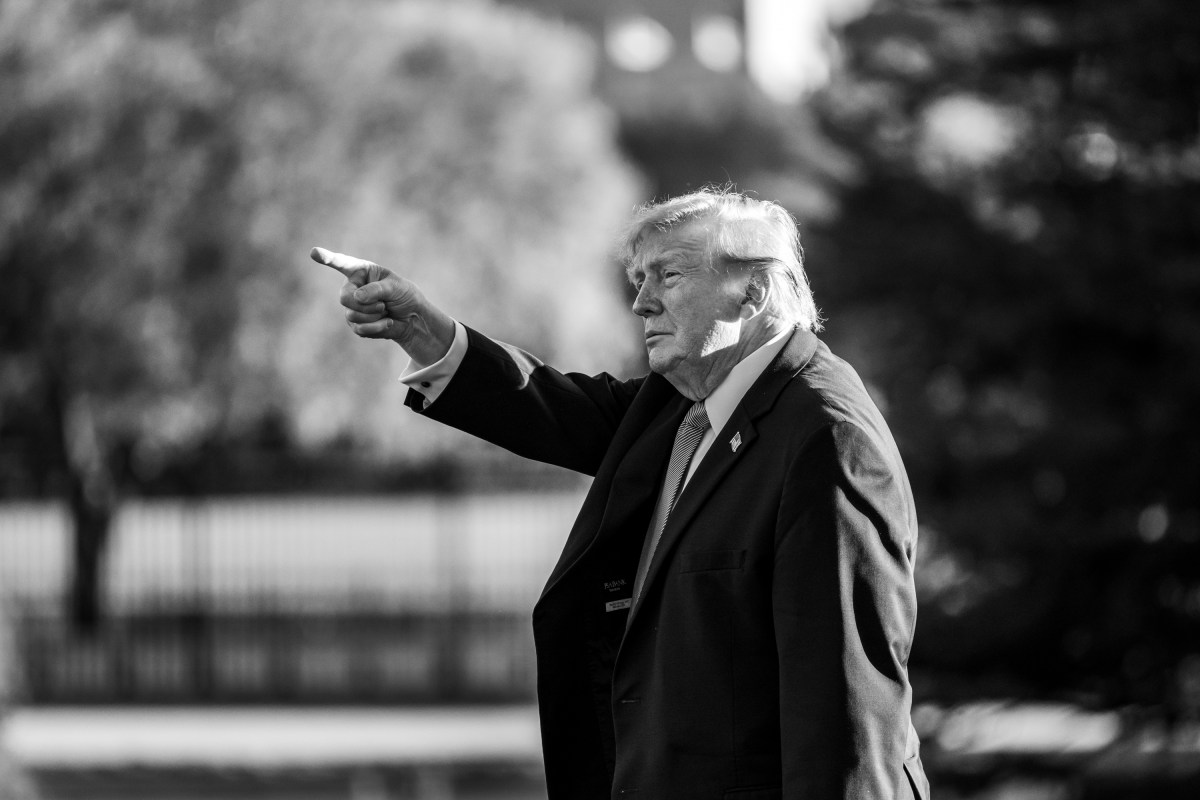
Critics worry that confrontational tactics or unpredictable policy changes can weaken trust and complicate cooperation.
International relationships often depend on expectations about future commitments.
When governments and businesses are uncertain about tariffs, sanctions, military cooperation, or diplomatic agreements, they may delay decisions or prepare for a wider range of possible outcomes.
That uncertainty can have economic consequences.
A business that depends on international suppliers may need to maintain more expensive alternatives. An exporter may hesitate to enter a market if access could change suddenly. Governments may become more cautious about sharing information or coordinating long-term initiatives.
These outcomes are not inevitable, and forceful negotiations can sometimes produce agreements.
The important question is whether a particular strategy achieves its objectives while preserving the relationships needed for future cooperation.
Alliances can provide military coordination, intelligence-sharing, diplomatic influence, and economic opportunities.
They also require negotiation because partner countries have their own domestic priorities and political constraints.
A successful foreign policy must therefore balance national interests with the practical value of working with other governments.
Critics of Trump’s approach argue that repeated disputes and uncertainty can impose costs if allies become less confident in American commitments.
Supporters argue that pressure can encourage partners to change policies and contribute more to shared responsibilities.
Both claims should be examined in relation to specific decisions and measurable outcomes.
For example, an agreement should be evaluated by its terms, implementation, and durability rather than simply by the announcement that a deal has been reached.
Similarly, diplomatic tension should be assessed through its actual consequences rather than assumed to be either beneficial or harmful in every circumstance.
For critics, the potential negative effect is that an unpredictable international approach may create economic uncertainty and make cooperation more difficult in areas where the United States benefits from stable relationships.
15. The Difference Between Announced Achievements and Measurable Results
One of the most important principles in evaluating a presidency is the distinction between an announcement and a completed result.
Administrations regularly announce investment commitments, proposed infrastructure projects, new employment initiatives, regulatory changes, and diplomatic agreements.
These announcements can indicate priorities and intentions.
However, an announced investment is not necessarily the same as money already spent. A planned factory does not automatically mean that construction will be completed, and a projected job does not guarantee that a worker will eventually be hired.
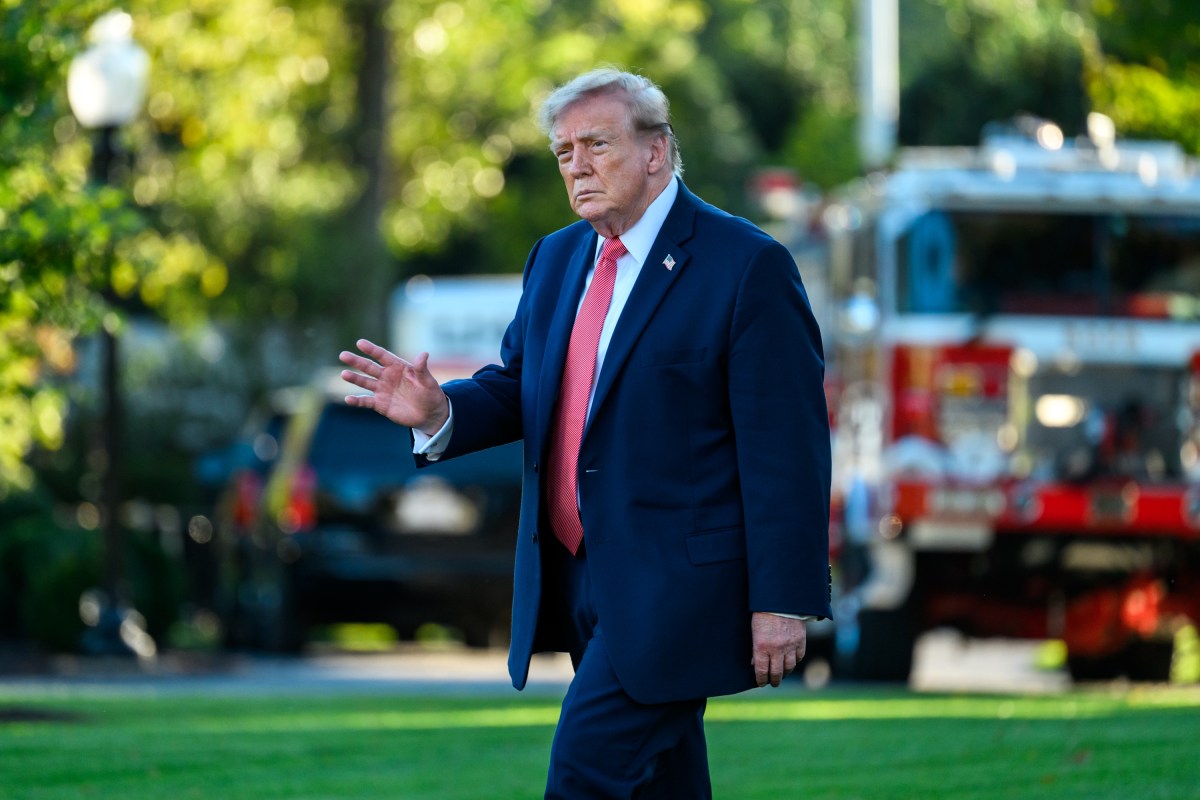
The same principle applies to cost savings.
An agency may announce that a contract has been canceled, but the government-wide financial effect depends on the contract’s terms, the services involved, and whether replacement costs arise elsewhere.
A tariff may generate revenue without reducing the trade deficit. A tax cut may increase disposable income for some households while also changing federal revenues and the distribution of resources.
These distinctions are essential because political announcements often emphasize intended benefits rather than the full range of consequences.
The administration should receive credit for policies it actually implements, but the broader effects should be evaluated with independent evidence.
The same standard should apply to criticism.
A proposed policy should not be treated as if every projected harm has already occurred. An economic downturn should not automatically be attributed to a president without examining other causes.
Economic outcomes depend on many factors, including global demand, interest rates, technological changes, business decisions, international conflicts, and policies adopted by earlier administrations.
That complexity does not make evaluation impossible.
It means that good analysis requires reliable data, clear time periods, and careful attention to cause and effect.
For example, a manufacturing policy should be evaluated using completed investment, factory employment, wages, productivity, and output.
A healthcare law should be evaluated using enrollment, coverage, access to treatment, costs, and outcomes for affected patients.
A government-efficiency initiative should be assessed using actual savings, service quality, processing times, and the cost of replacing lost capacity.
These measures can reveal whether the administration’s stated goals are being achieved and whether unexpected costs are emerging.
For critics of Trump, the key concern is that political claims about success may overlook important trade-offs or leave out groups experiencing negative consequences.
The strongest way to examine that concern is to compare public claims with the available evidence.
16. Why the Effects of Trump’s Policies Can Differ From One American to Another
The United States contains a wide range of communities, industries, and household circumstances.
A policy that benefits one group may create costs for another.
A domestic manufacturer that competes directly with imports may benefit from a tariff, while a manufacturer that relies on imported components may face higher expenses.
A household that qualifies for a tax deduction may retain more income, while another household may receive little or no benefit from the same provision.
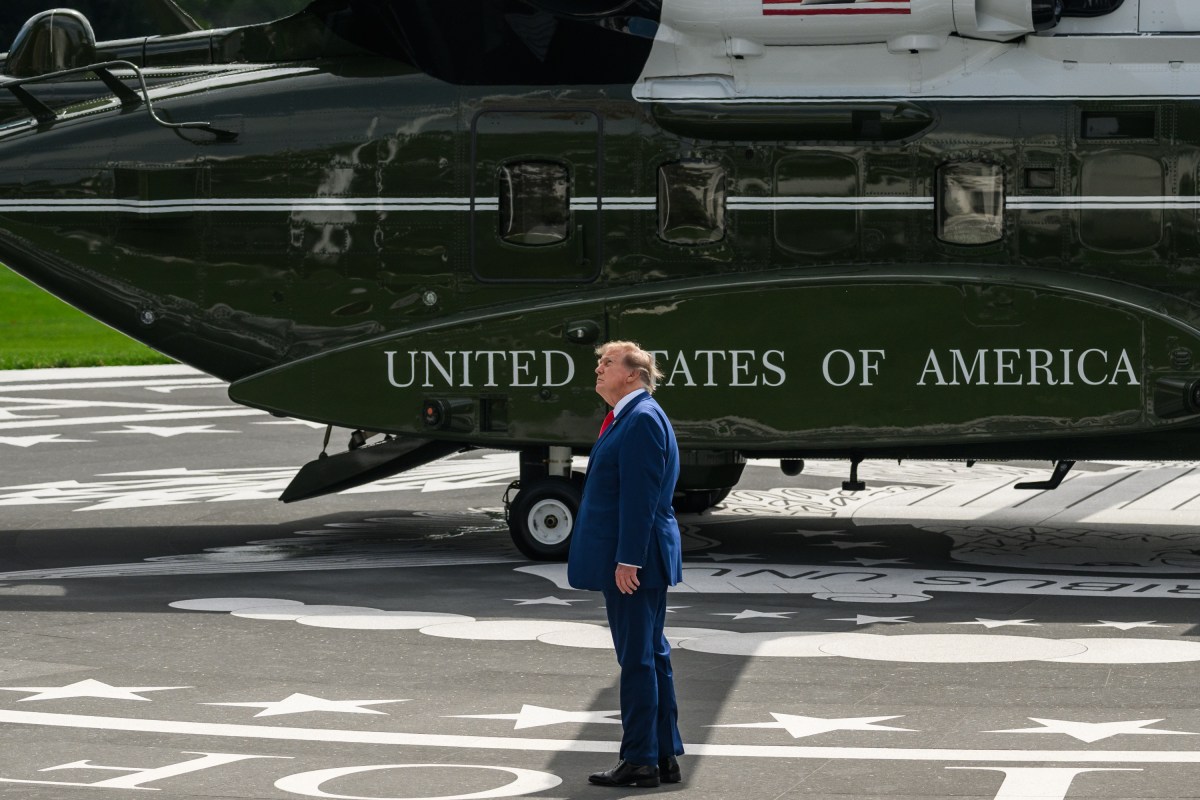
A federal employee whose position is eliminated may experience immediate financial disruption, while an agency that successfully removes unnecessary procedures may become more efficient.
A worker in an industry experiencing labor shortages may benefit from higher wages, while a small business struggling to fill positions may face increased costs.
These differences are important because national averages can conceal local effects.
A policy may improve one economic measure while worsening another.
For example, government spending can decline while some households lose access to services. Domestic production may increase while consumers pay more for selected goods. A company may benefit from reduced regulation while communities face new environmental risks.
This does not mean every policy is inherently unsuccessful.
It means that a complete evaluation should identify who benefits, who bears the costs, how large those effects are, and whether alternative approaches could achieve similar goals with fewer disadvantages.
It is also important to recognize that different Americans have different priorities.
Some place greater weight on border enforcement or lower taxes. Others prioritize healthcare coverage, environmental protections, or the cost of everyday necessities.
Political disagreement can therefore reflect both different factual interpretations and different judgments about which goals matter most.
A useful public discussion should make those differences clear rather than assume that every American experiences a policy in the same way.
For critics of Trump’s agenda, the central question is whether the administration’s policies distribute costs and benefits fairly and whether the promised gains justify the burdens placed on affected groups.
Answering that question requires evidence about actual outcomes, not just general statements about the economy.
17. What Americans Should Examine When Evaluating Trump’s Presidency
As Americans assess Trump’s record, several questions can help distinguish political messaging from measurable performance.
First, what changed under the policy?
A law or executive action should be examined in terms of what it actually changed, which institutions are responsible for implementation, and when its effects are expected to occur.
Second, who benefits and who bears the costs?
National averages may not reveal the effects on lower-income households, small businesses, particular industries, or specific regions.
Third, what do independent data show?
Government statistics, congressional budget analyses, court decisions, agency reports, and carefully conducted research can help establish what is known.
Fourth, what remains uncertain?
Some policies take years to produce measurable results. Projections should be identified as projections, and allegations should not be treated as established findings.
Fifth, what alternatives were available?
A policy may address a legitimate problem while still imposing costs that could have been reduced through a different design or a more gradual implementation.
Finally, are the results consistent with the administration’s promises?
If a policy was intended to reduce household costs, the evaluation should examine affordability. If it was intended to create manufacturing jobs, the evaluation should examine employment and investment. If it was intended to improve government efficiency, the evaluation should examine both spending and service quality.
These questions are useful regardless of political party.
They allow citizens to recognize positive results when the evidence supports them and identify negative consequences when the evidence points in that direction.
Democratic accountability is strongest when political claims can be examined openly and public officials are expected to explain the results of their decisions.
The Bottom Line: Examining the Costs and Consequences of Trump’s Policies
Donald Trump’s second-term agenda has introduced significant changes to American economic policy, healthcare, immigration enforcement, federal administration, environmental regulation, and international relations.
Supporters view these measures as efforts to strengthen national security, encourage investment, reduce bureaucracy, and advance American interests.
Critics raise concerns about higher consumer costs, projected reductions in healthcare coverage and food assistance, uncertainty for businesses, workforce disruptions, environmental risks, and the effects of political conflict.
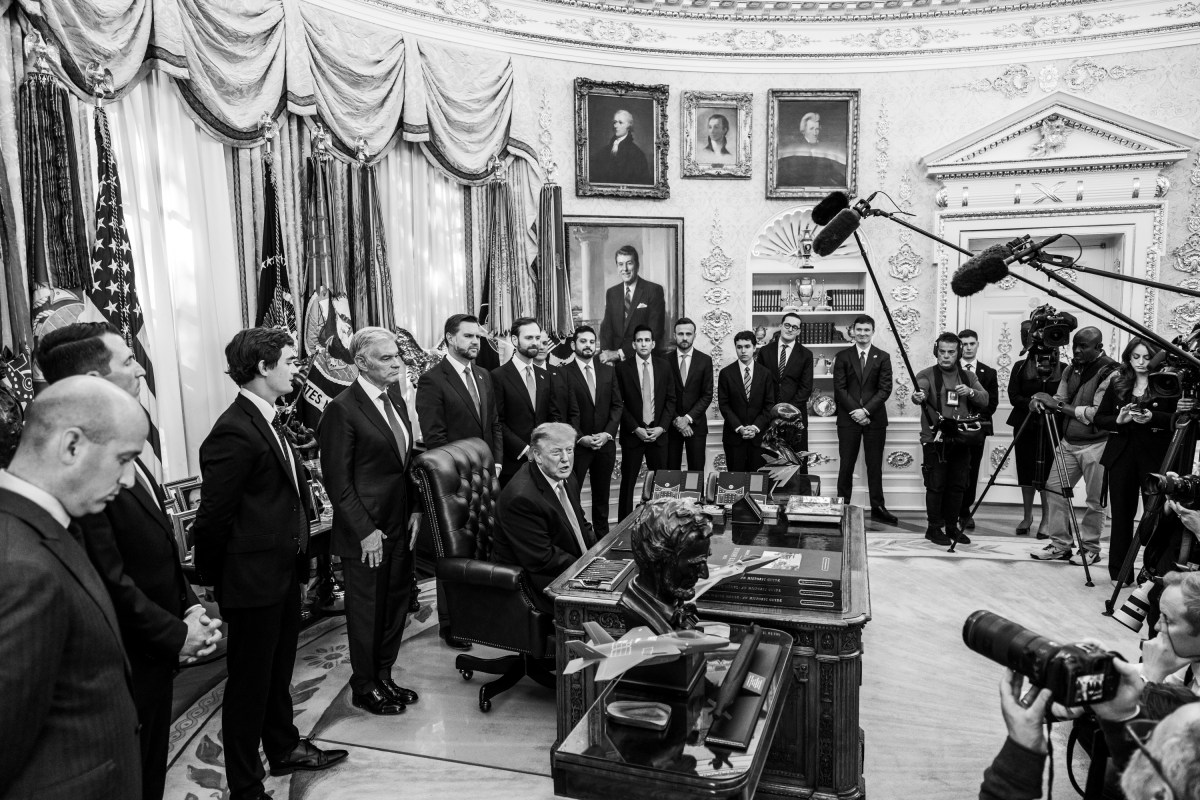
Several of these concerns are supported by documented policy changes and published analyses.
The Congressional Budget Office has projected that the 2025 reconciliation law will increase the number of uninsured Americans and change the distribution of resources available to households. The Government Accountability Office has documented substantial reductions in federal staffing and warned that agencies may face challenges in maintaining services. Reuters has reported that Trump’s economic agenda has produced mixed results, including strong areas of growth alongside concerns about affordability and manufacturing employment. <Cite refs={[“turn354262search6″,”turn354262search7″,”turn354262search0″,”turn354262news60”]}/>
These findings do not establish that every criticism of Trump is correct or that every negative outcome results solely from his decisions.
They do, however, identify important areas where the effects of government policy deserve close attention.
The broader lesson is that every major policy involves choices, and those choices can create both intended benefits and unintended consequences.
Tax reductions may help eligible households while affecting government revenues. Tariffs may protect selected industries while raising costs elsewhere. Workforce reductions may eliminate unnecessary positions while also creating gaps in public services. Immigration enforcement may advance border-control objectives while disrupting families and employers.
Understanding those trade-offs is essential to evaluating a presidency fairly.
For American families, the most important questions remain practical: Can they afford necessities? Can they obtain healthcare? Are there opportunities for stable employment? Are public institutions functioning effectively? Are government policies improving their lives over time?
The answers will differ among households and communities, and some effects will become clearer only as more evidence becomes available.
That is why the discussion should remain focused on measurable outcomes, reliable information, and the experiences of people affected by policy decisions.
A president’s legacy is not determined only by promises, speeches, or political popularity. It is also shaped by the laws enacted, the institutions changed, the opportunities created, the costs imposed, and the consequences that continue long after an announcement has disappeared from the headlines.
Examining the negative effects of Trump’s policies is therefore not a substitute for examining their potential benefits. It is part of understanding the full record.
Ultimately, Americans deserve a public debate in which both achievements and shortcomings can be discussed honestly, evidence is taken seriously, and accountability applies to every administration.
Because the purpose of evaluating government is not simply to decide which political side tells the most compelling story.
It is to understand what government decisions actually do to the country and the people who call it home.