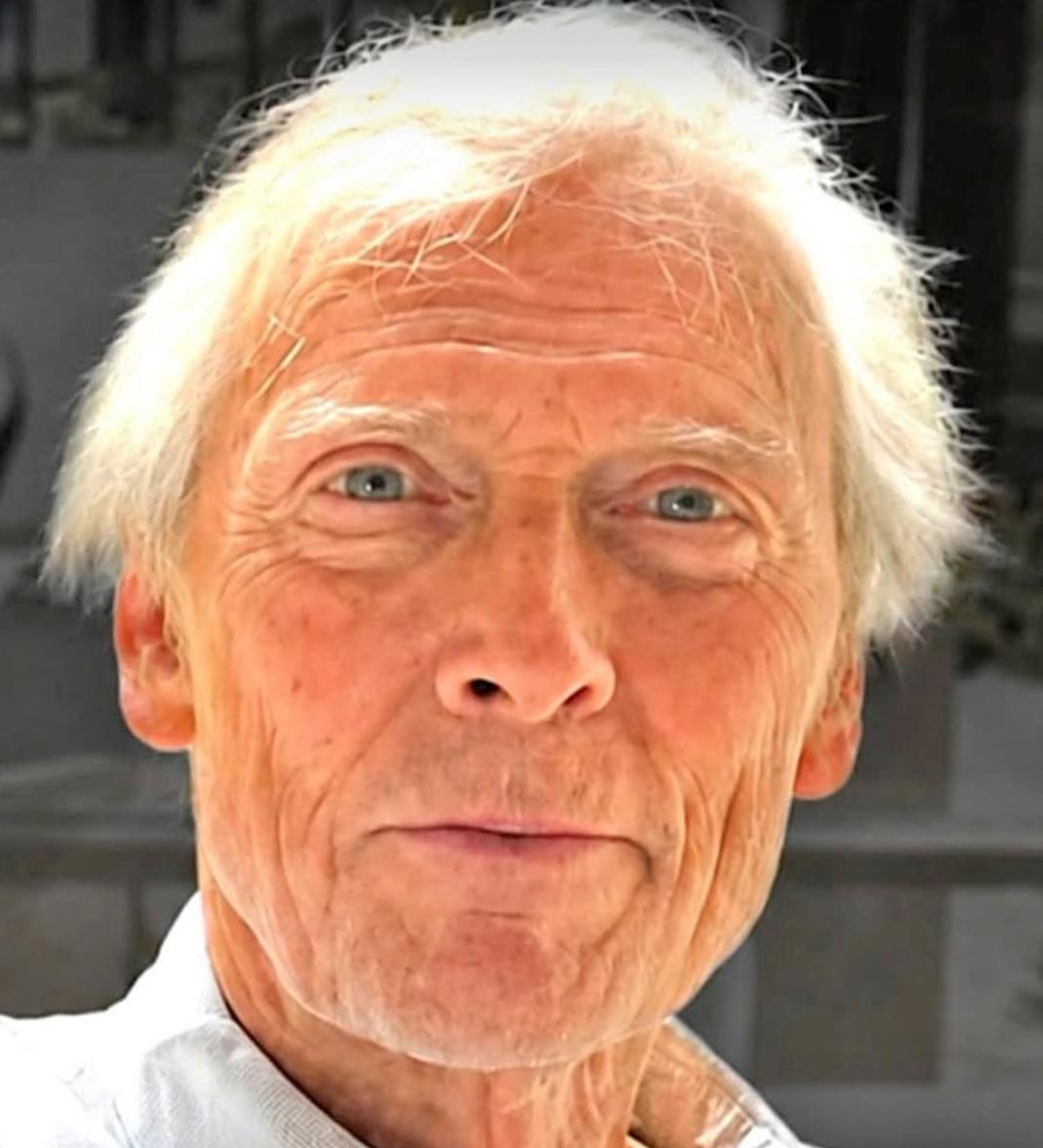
Clint Eastwood Rumors Spread Online as Social Media Users Urged to Verify Claims
Why Rumors About Famous Figures Spread So Quickly
Rumors involving well-known public figures can move across social media at remarkable speed. When the person involved is a familiar actor, musician, or entertainment icon, even an unverified claim can attract immediate attention from people who have followed that individual for years.
The emotional connection audiences have with famous personalities can make these stories particularly powerful. A headline suggesting that something serious has happened may encourage people to react, comment, or share before taking time to determine whether the information is accurate.
That pattern can create a difficult situation in which an unconfirmed statement reaches a large audience before reliable information has an opportunity to catch up. Once a post begins circulating widely, separating confirmed information from speculation can become increasingly difficult.
Clint Eastwood Remains a Recognized Entertainment Icon
Clint Eastwood is among the public figures whose long career has made him widely recognizable across multiple generations. His name is closely associated with major films and a decades-long presence in the entertainment industry.
Among his best-known movies are Dirty Harry and The Good, the Bad and the Ugly. These films have contributed to his enduring recognition, allowing audiences from different generations to remain familiar with his work.
Because figures with such lengthy careers can have a strong emotional significance for their audiences, claims involving their personal circumstances can receive substantial attention. A rumor about an iconic entertainer may therefore trigger reactions even when the original information has not been established.
Emotional Posts Can Create Confusion
One reason misleading information can gain momentum is the way it is presented. Social media posts may use emotional wording, dramatic images, or tribute-style presentations that make an unverified claim appear more convincing than it actually is.
A person scrolling through a social media feed may encounter a post that looks like an announcement rather than an unconfirmed statement. The appearance and tone of the content can influence how quickly someone reacts to it, particularly when the subject is a figure they recognize and care about.
Tribute-style graphics can be especially confusing when they are shared without clear confirmation. A visual presentation may give the impression that an event has already been officially established, even when the post itself does not provide reliable verification.
Recycled Posts Can Resurface
Another factor that can contribute to confusion is the repeated circulation of older or recycled content. A post can be shared again long after it first appeared, sometimes without enough context to make its original timing or purpose clear.
When older material is presented alongside current-looking captions, users may interpret it as new information. The result can be another wave of reactions surrounding a claim that has not been properly confirmed in the present context.
Unofficial accounts can also contribute to the problem. Content posted by accounts that are not responsible for providing verified information may still appear credible to users who encounter it without additional context.
The Speed of Social Media Amplification
Social media is designed to make information easy to share. That convenience can be useful when accurate news needs to reach people quickly, but it can also allow incorrect claims to spread before their accuracy has been established.
Once one user shares an emotional or sensational post, other users may pass it along because they assume the original claim has already been checked. Each additional share can make the information appear more established, even though repetition does not make an unverified statement true.
This creates a cycle in which visibility can become mistaken for confirmation. A claim that appears repeatedly in different posts may seem credible simply because it is familiar, rather than because reliable evidence has confirmed it.
Why Verification Matters
Major claims involving public figures deserve careful attention before they are shared. Health-related rumors and reports about someone’s status can have significant emotional consequences, making accuracy particularly important.
Pausing before reposting gives users an opportunity to consider whether the information comes from a reliable source or whether it is simply being repeated across social media. That brief pause can help prevent an unverified claim from reaching an even larger audience.
Official statements and reputable journalism can provide a stronger basis for determining whether major information has been confirmed. Verified updates are generally more useful than relying solely on emotional posts, anonymous accounts, or graphics circulating through social media.
Recognizing Misleading Presentation
Users can also pay attention to how information is presented. Dramatic language, emotional captions, and tribute-style graphics may encourage an immediate reaction, but the presentation itself does not establish whether the underlying claim is accurate.
A post that encourages users to react quickly can make careful verification more difficult. Instead of treating the emotional tone of a message as evidence, readers can separate the presentation from the actual information being claimed.
This distinction becomes especially important when the subject is a highly recognizable figure. Familiarity with a person’s career can make a rumor feel believable because the name itself carries significant emotional weight.
Public Figures and the Challenge of Online Misinformation
Rumors surrounding prominent entertainers demonstrate a broader challenge of the digital information environment. Public figures can become the subjects of rapidly spreading claims simply because their names are widely recognized and their audiences are large.
The same dynamics can appear whenever a story involves an actor, musician, or other long-established entertainment personality. Emotional reactions can encourage people to share information before determining whether it has been confirmed.
Once an unverified claim has been distributed widely, later clarification may not reach everyone who encountered the original post. Some users may continue sharing the earlier version even after more reliable information becomes available.
A Moment of Caution Can Slow the Spread
Checking information before sharing does not require abandoning social media or ignoring important developments. It simply means allowing enough time to determine whether a major claim has been properly established.
For stories involving recognizable public figures, that step can be particularly valuable. A claim that initially appears convincing may look very different after users examine where it originated and whether reliable confirmation exists.
Taking a moment to verify information can also prevent unnecessary confusion among friends, family members, and other social media users. The fewer times an unsupported claim is passed along, the less opportunity it has to gain additional momentum.
Accuracy Should Come Before Speed
The rapid spread of online information makes speed an important part of modern communication, but speed alone does not guarantee accuracy. When major claims circulate about public figures, careful verification remains essential.
Clint Eastwood’s long-standing place in popular entertainment illustrates why rumors involving iconic personalities can attract such strong reactions. His work has reached audiences across generations, making his name immediately recognizable to many people.
That recognition can also make misleading posts more powerful. Emotional headlines, recycled material, unofficial accounts, and dramatic presentations can all contribute to an environment in which users react before confirming what they have seen.
For that reason, readers should approach major social media claims with caution and look for reliable confirmation before treating them as established information. In an environment where misinformation can travel rapidly, accuracy remains just as important as speed.